
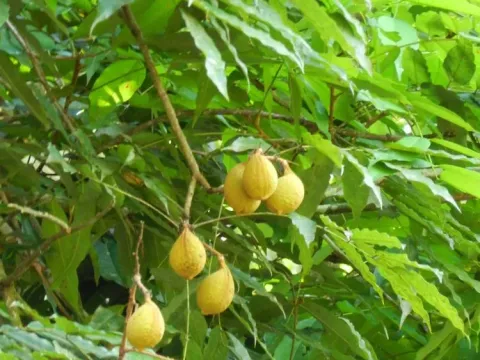
Vouacapoua macropetala
Vouacapoua macropetala
Vouacapoua macropetala is a tropical tree species belonging to the Fabaceae family, native to the diverse rainforests of the Amazon basin, particularly in Brazil.
What the section contains
Vouacapoua macropetala
The species thrives in warm, humid tropical climates characterized by consistent high temperatures and significant annual rainfall patterns throughout the year.
Growth requirements include fertile, well-drained forest soils enriched with organic matter, which are typical of the native Amazonian soil profiles.
Botanically, the tree is known for its slow-growing nature and its ability to develop a very dense and durable trunk structure as it reaches maturity.
Cultivation practices are largely limited due to the tree's slow development and specific ecological needs, making sustainable forest management the primary approach for this species.
The primary economic use of Vouacapoua macropetala is the production of high-quality, dense timber that is highly resistant to natural decay and fungal attacks.
Its timber is widely favored for outdoor furniture, decking, structural supports, and various projects that require extreme weather resistance and longevity.
Due to its physical properties, it is considered a premium material in both local markets and specialized international wood trade, although harvesting is strictly regulated.
Yield estimation in forestry depends on the age of the tree; it takes decades to reach a technical maturity suitable for sustainable timber harvesting.
Beyond timber, the species contributes significantly to the structural complexity of the forest ecosystem, providing habitat and resources for diverse fauna.
Major threats to this species include extensive deforestation, habitat fragmentation, and illegal logging operations that diminish the native population.
Pests such as specialized wood-boring insects can damage the tree, although the inherent density of the wood provides significant protection compared to softer species.
Fungal infections of the root system or trunk can occur in extremely humid environments if the trees are stressed or if the bark is damaged by mechanical impacts.
Climate change poses a long-term risk, as altered precipitation patterns can impact the survival rates of young seedlings and the regeneration of forest stands.
Conservation strategies involve protected area status and strictly controlled management plans to ensure that the species is not over-harvested in the wild.