
Vicia loiseleurii
Vicia loiseleurii
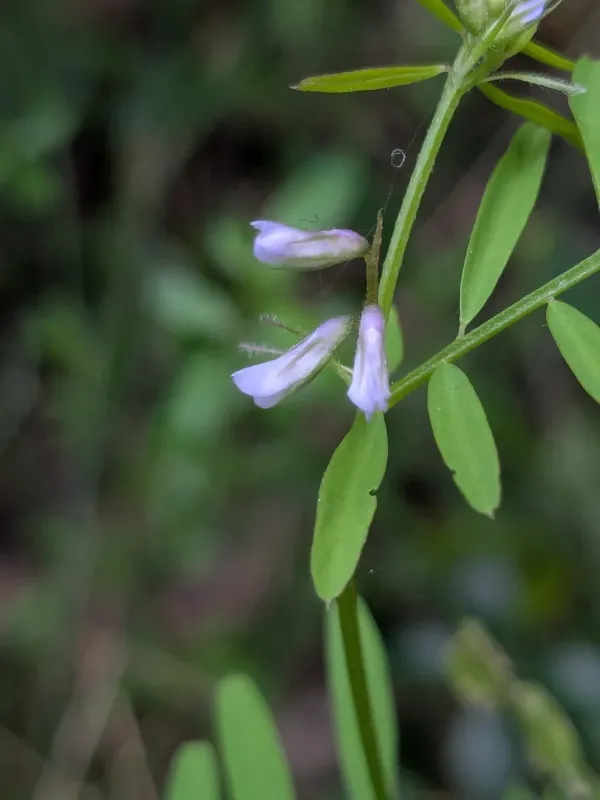
Description
Sowing dates
Vicia loiseleurii is a perennial legume within the Fabaceae family, recognized for its role in sustainable forage production. It demonstrates significant adaptability to various Mediterranean and temperate climates.
For successful establishment, seeds should be sown in early spring when soil moisture is optimal. Scarification might be necessary due to the hard seed coat, which can otherwise delay germination.
The standard sowing method involves row planting with a spacing of 15–20 centimeters. This density ensures that plants have enough space to develop strong root systems while still competing effectively against weeds.
Proper seedbed preparation is crucial. The soil should be finely tilled and leveled to ensure consistent seeding depth, preventing uneven emergence that could negatively impact total field yield.
Rolling the field after sowing is a common practice to ensure good soil-to-seed contact, which accelerates the germination process and helps establish a uniform and dense crop stand.
Growing requirements
This crop thrives in well-drained, fertile soils with a neutral or slightly acidic pH. It is sensitive to waterlogging, so fields with excellent drainage systems are preferred to ensure healthy root development.
Vicia loiseleurii prefers regions with moderate temperatures and adequate sunlight. It exhibits high winter hardiness, allowing it to survive in areas with fluctuating seasonal weather conditions.
As a nitrogen-fixing legume, it forms a symbiotic relationship with rhizobia bacteria. In soils where these bacteria are absent, seed inoculation is recommended to enhance growth and yield potential.
Adequate phosphorus and potassium levels in the soil are essential for the crop's long-term health. These nutrients facilitate root development and support the plant's natural resistance to environmental stress.
Routine maintenance includes monitoring for soil crusting, especially after heavy rains, as soil aeration is vital for the continued activity of nitrogen-fixing root nodules.
Yield
The yield of Vicia loiseleurii depends heavily on the timing of harvesting and the overall agronomic care provided during the growing season. It is known for producing high-quality, protein-rich green biomass.
The plant is versatile, often used in grass-legume mixtures to improve the nutritional profile of pastures and hay. This practice helps maintain soil fertility while providing a balanced diet for livestock.
Peak biomass yield is typically achieved at the full flowering stage. Harvesting at this precise moment ensures the optimal balance between dry matter quantity and nutritional quality.
Regrowth capacity after cutting is moderate, allowing for multiple harvests under favorable conditions. This makes it a reliable component for producers looking to maximize their land's fodder output.
The organic matter returned to the soil through the plant's root system acts as a natural fertilizer, improving the soil structure and nitrogen availability for subsequent crops in a rotation.
Main diseases and pests
Common plant diseases affecting this species include powdery mildew and rust, which are more prevalent in environments with high relative humidity and poor air circulation within the stand.
Pests such as pea weevils and various aphid species pose the greatest threats. These insects can reduce plant vigor and cause significant damage to foliage if their populations are not managed.
Integrated Pest Management (IPM) strategies, including crop rotation and the introduction of beneficial predator insects, are the most effective ways to mitigate the impact of these pests.
Chemical intervention should be used sparingly and only when necessary, following strictly defined safety intervals to prevent chemical residues in the fodder intended for farm animals.
Preventative measures, such as maintaining appropriate plant spacing, help minimize the risk of pathogen outbreaks by ensuring that the canopy remains well-ventilated and less humid.
Harvesting
Harvesting is best conducted during the mass flowering stage, as this is when the nutrient concentration in the leaves and stems is at its highest, providing the best quality feed.
The crop is typically cut and left to wilt in windrows. Rapid drying is critical to minimize the loss of leaves, which contain the majority of the protein, vitamins, and minerals.
It is important to avoid over-drying or excessive handling of the hay, as brittle leaves may shatter and cause significant nutritional loss during the baling and transport phases.
Once harvested, the material can be processed into high-quality hay or silage. Proper storage in dry conditions is essential to prevent mold growth, heating, and subsequent spoilage of the fodder.
After the final cut of the season, the field should be cleared of crop residues to reduce the harbor for pests and pathogens, keeping the area clean for the next growing cycle.