
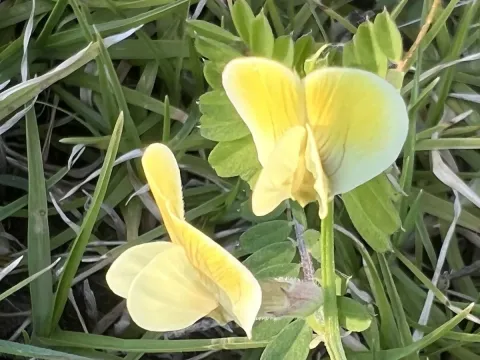
Hybrid vetch
Vicia hybrida
Hybrid vetch (Vicia hybrida) is an annual legume species widely recognized for its agricultural value as a fodder crop and nitrogen-fixing plant.
What the section contains
Hybrid vetch
Sowing should be performed in early spring or autumn, depending on the climatic zone, ensuring soil temperatures are conducive to germination.
The recommended seeding rate is typically between 80 to 120 kg per hectare, depending on the target plant density and intended use of the crop.
Seeds are usually drilled at a depth of 3 to 5 centimeters to ensure adequate moisture availability and stability during the initial stages of root development.
Integration with support crops, such as small grains, is highly recommended to improve harvesting efficiency and prevent plants from lodging in wet conditions.
Hybrid vetch thrives in well-drained loamy or sandy soils, demonstrating excellent adaptation to varying soil textures with neutral pH levels.
The crop requires sufficient rainfall during the early vegetative stages but is sensitive to prolonged waterlogging which can stress the root system.
Full sun exposure is ideal for the development of Vicia hybrida, as shaded areas can lead to reduced biomass and lower quality of the harvested material.
The plant is relatively tolerant to cool temperatures, which allows for early-season growth before the onset of intense summer heat.
Nutrient management focuses on maintaining phosphorus and potassium levels, which are critical for supporting the symbiotic activity of nitrogen-fixing bacteria.
The most common insect pests affecting this species include vetch aphids and nodule weevils, which can cause significant damage to young shoots and leaves.
Fungal pathogens such as powdery mildew and various root rots pose a threat, particularly in regions with high humidity and poor field drainage.
Botrytis infections may occur during periods of excessive rainfall, requiring careful management of plant density to ensure adequate air circulation.
Integrated pest management strategies are advised, including crop rotation and the selection of disease-resistant varieties when available.
- Routine scouting of fields for early signs of infection.
- Ensuring proper crop spacing to reduce humidity.
- Using certified clean seed lots.
Harvesting for forage should occur when the crop is in full bloom, which ensures an optimal balance of protein content and digestible fiber.
For seed production, harvesting is timed to coincide with the brown-pod stage to prevent seed shatter losses common in mature legume species.
Mechanical harvesting equipment should be adjusted for height to maximize recovery of the biomass while minimizing soil contamination in the cut material.
Post-harvest handling is critical, especially when drying the material for hay, to maintain its nutritional integrity and prevent the development of molds.
As a green manure crop, Vicia hybrida is incorporated into the soil immediately after mowing to maximize the nitrogen contribution for the subsequent season.