
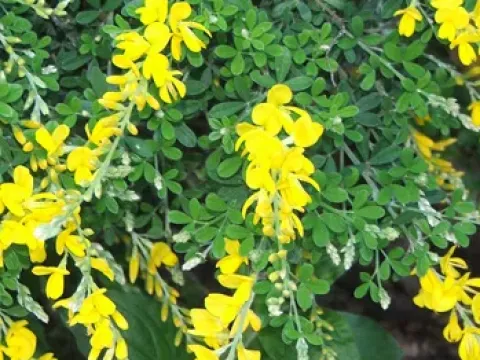
Hybrid broom
Genista hybrids
Hybrid broom (Genista hybrids) is a deciduous ornamental shrub belonging to the Fabaceae family. This group of plants is widely appreciated for its spectacular spring display of dense, golden-yellow flowers that cover the entire structure of the plant.
What the section contains
Hybrid broom
Originating from European and Mediterranean climates, these plants have evolved to survive in harsh, open environments. In agricultural and landscaping settings, they are used for their drought tolerance and ability to thrive on poor, rocky soils where other species fail.
The primary cultural requirement for hybrid broom is full sun exposure. The plant requires at least six to eight hours of direct sunlight per day to maintain its structural integrity and ensure the energy reserves necessary for a lush blooming season.
Soil drainage is the most critical factor in the successful cultivation of this species. Genista hybrids require sandy, well-draining soils with a neutral or slightly alkaline pH; they will suffer and eventually perish if roots are left in waterlogged conditions.
Regular maintenance is minimal, consisting mainly of light pruning after flowering to encourage dense growth and prevent the shrub from becoming too woody and sparse. Fertilizer should be applied sparingly, as the plant is adapted to nutrient-poor soil conditions.
The most significant threat to hybrid broom is fungal diseases, primarily triggered by excessive moisture or insufficient air circulation. Mildew and various leaf spots can disfigure the foliage and negatively impact the overall vigor of the plant.
Root rot remains the leading cause of plant mortality for this crop. It is almost exclusively caused by poor soil drainage, which encourages opportunistic pathogens to colonize the root system during the dormant winter period or after heavy spring rains.
Insects, such as aphids, frequently colonize the tender tips of new growth. By feeding on plant sap, they cause leaf curling and stunted shoot development, which often results in a significant reduction in the following year's flower production.
Spider mites can also be a problematic pest during hot, dry summer months. Their presence is usually signaled by fine webbing and yellowing of leaves, which can lead to premature defoliation if left untreated.
Effective pest and disease management for Genista relies on proper site selection to ensure good airflow and soil drainage, combined with targeted insecticide or fungicide applications only when threshold levels of infestation are reached.