
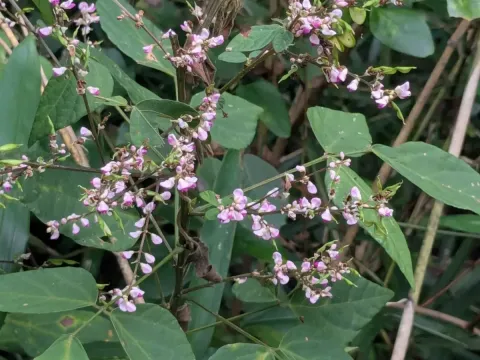
Hylodesmum podocarpum
Hylodesmum podocarpum
Hylodesmum podocarpum is a perennial legume species that requires precise sowing conditions to ensure optimal germination. The best results are achieved when seeds are planted in early spring once the soil temperature is consistently above 10 degrees Celsius.
What the section contains
Hylodesmum podocarpum
Seeds should be sown at a depth of 2 to 3 centimeters into well-tilled, friable soil. Proper soil moisture is critical at the time of planting, and using a light roller to press the seeds into the soil ensures better contact and promotes faster emergence of the seedlings.
For better uniformity, growers often scarify the seeds before sowing to break their natural dormancy. This agricultural practice significantly increases the germination rate and helps the plants establish a strong root system early in the season.
The optimal plant density must be maintained to prevent competition between plants, which can otherwise stunt development. Sowing in rows facilitates mechanical weeding, which is an essential part of the early care of the crop during its initial growth stages.
Avoid late-season planting, as the plants need a substantial period to build up their nutrient reserves before the onset of winter. A strong, well-developed root system is the key to ensuring the crop's successful overwintering and vigour in the following spring.
This species thrives in well-drained, moderately fertile soils, preferably with a neutral to slightly acidic pH level. High organic matter content in the soil significantly improves the overall growth rate and biomass production of the crop.
The drainage capacity of the site is of utmost importance, as Hylodesmum podocarpum is highly intolerant of waterlogged soil conditions. Sites with high water tables or poor drainage should be avoided to prevent root rot and the development of harmful pathogens.
Light exposure is a critical factor for successful development. While the plant can tolerate partial shade, it performs best in full sunlight, which maximizes photosynthetic activity and leads to higher protein accumulation in the plant tissues.
The climate requirements for this plant include moderate temperatures and consistent, though not excessive, moisture throughout the growing season. The plant is adapted to temperate conditions and possesses sufficient hardiness for typical winter climates.
Management practices should include regular soil aeration through cultivation between rows. This ensures adequate oxygen availability for the roots and stimulates the activity of symbiotic bacteria, which are essential for nitrogen fixation in leguminous plants.
The yield of Hylodesmum podocarpum depends largely on the quality of soil management and the consistency of moisture availability throughout the season. Under ideal conditions, the crop can provide multiple harvests during a single growing cycle.
The peak nutritional value for forage purposes is achieved during the bud formation phase. Harvesting at this stage ensures the highest protein content, as further development into the flowering stage leads to increased lignification and lower digestibility.
For seed production, farmers must closely monitor the maturity of the pods. Because the seeds are prone to shattering as they dry, timely harvesting is vital to minimize losses and ensure a high yield of viable planting material.
To maintain long-term productivity of the stand, periodic fertilization with phosphorus and potassium is recommended. These nutrients support overall plant health and strengthen the structural tissues, making the crop more resilient to environmental stress.
Using mulch in the early stages of the crop's development helps retain soil moisture and suppresses weed growth effectively. This practice is particularly beneficial in years with sporadic rainfall, as it helps maintain stable production levels.
Leaf spots caused by various fungal pathogens are the most common diseases, especially in humid and stagnant air conditions. Crop rotation and the prompt removal of infected plant debris are essential management strategies to reduce disease pressure.
Insect pests, such as weevils and leaf beetles, may pose a risk to young leaves and stems. An integrated pest management program, which includes regular monitoring of insect populations, is recommended to keep pest numbers below the economic threshold.
Root rot is a major threat if soil drainage is compromised or if the soil becomes overly compacted. Good soil structure and adequate ventilation around the plants are primary defenses against these soil-borne pathogens.
Aphids can infest the tender tips of the plants, causing structural deformity and reducing the photosynthetic efficiency of the leaves. Biological control methods or targeted, low-toxicity insecticides can be used if infestations reach critical levels.
Powdery mildew may occur during the mid-to-late summer months, particularly when there are large fluctuations in day and night temperatures. Proper spacing of plants reduces humidity within the canopy, which effectively lowers the risk of mildew development.