
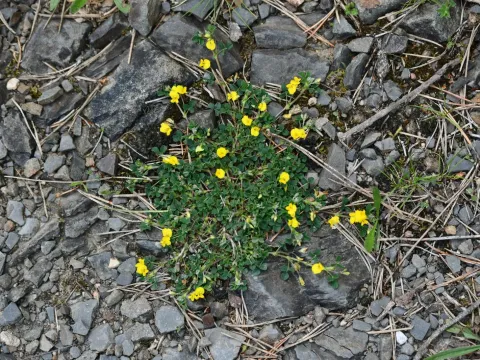
Hybrid alfalfa
Medicago hybrida
Hybrid alfalfa, scientifically known as Medicago hybrida, is a perennial legume originating from the cross-breeding of common alfalfa and yellow alfalfa. It is highly valued in agriculture for its robustness and adaptability.
What the section contains
Hybrid alfalfa
Sowing should ideally take place in early spring when soil moisture is optimal, ensuring rapid germination and the establishment of a strong root system.
In some regions, dormant seeding or late autumn sowing is an alternative, allowing seeds to germinate quickly during the early spring thaw.
The seeding rate must be balanced based on the intended use and soil condition, typically ranging from 12 to 18 kilograms per hectare for dense stands.
Correct seed placement is crucial; seeds should be drilled at a depth of 1–2 centimeters, ensuring they are well-covered yet able to emerge through the soil surface without excessive stress.
This crop thrives in temperate climates and is known for its superior winter hardiness and drought tolerance, making it an excellent choice for varied environments.
It prefers deep, well-drained loamy soils with a neutral or slightly alkaline pH, which facilitates deep root penetration and nitrogen fixation.
Waterlogging and poorly drained soils are detrimental to Medicago hybrida, often leading to stunted growth or increased susceptibility to soil-borne pathogens.
Field maintenance involves early-stage weed management to ensure that the slower-growing seedlings are not outcompeted by aggressive annual weeds.
Application of phosphorus and potassium-based fertilizers is essential to support the long-term productivity and structural integrity of the alfalfa stand.
The yield potential of hybrid alfalfa is highly competitive, offering multiple cuttings throughout the growing season and contributing significantly to forage protein levels.
It is widely utilized for hay production, haylage, and as high-quality pasture, providing a balanced diet for cattle, sheep, and other livestock.
A well-managed stand can persist for several years, often maintaining peak production levels from the second year through the fifth year of cultivation.
Beyond its feed value, the crop contributes to soil fertility by fixing atmospheric nitrogen, thus reducing the need for synthetic nitrogen fertilizers in subsequent crop rotations.
Regular harvests promote vigorous regrowth, provided that management practices allow for adequate recovery time between cutting intervals.
Common pests include alfalfa weevils, aphids, and various plant bugs that can cause significant damage to the vegetative tissue and decrease crop quality.
Disease pressure from pathogens such as leaf spot, powdery mildew, and crown rot requires vigilant monitoring and effective integrated pest management strategies.
Crop rotation remains the most effective prophylactic measure to reduce the buildup of soil-borne diseases and prevent pest infestations in new alfalfa fields.
Scouting fields throughout the growing season allows producers to identify pest thresholds and apply necessary interventions promptly to avoid yield losses.
Maintaining a healthy, vigorous stand is the best natural defense against disease, as stress-free plants are more resilient to common environmental and biological threats.
The optimal harvest timing is at the early bloom stage, as this represents the peak nutritional density for the plant, balancing protein content and fiber digestibility.
Cutting height is a critical technical parameter; it should be kept around 5–7 centimeters above the soil to protect the crown and ensure rapid regrowth.
Proper curing methods, including windrowing and tedding, are essential to maximize leaf retention during the hay-making process, as leaves hold the most nutrients.
When preparing silage or haylage, moisture management is key to ensuring proper fermentation and preventing mold growth during the storage phase.
The final harvest of the season must be timed correctly, giving the plants sufficient time to accumulate starch reserves in their roots before the onset of winter dormancy.