
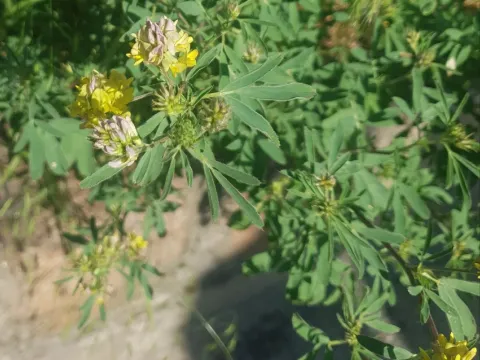
Hybrid alfalfa
Medicago varia
Hybrid alfalfa is typically sown in early spring or late summer, depending on regional climatic conditions and soil moisture availability.
What the section contains
Hybrid alfalfa
The seed should be planted at a shallow depth of 1–2 cm to ensure optimal germination. Firm contact between the seed and soil is essential for success.
Using a companion crop like oats can help suppress weed growth during the establishment phase, though clear seeding is also a common practice.
Seed inoculation with specialized Rhizobium meliloti bacteria is critical for ensuring nitrogen fixation, which significantly boosts early development.
Farmers should aim for a high plant density to crowd out unwanted weeds and ensure a uniform and productive stand for the coming years.
Medicago varia thrives in a wide range of climates due to its hybrid vigor, combining the traits of common and yellow alfalfa to withstand harsh winters.
The plant requires well-drained, fertile soil. It is highly sensitive to acidic environments, so liming is recommended if soil pH drops below 6.5.
A deep taproot allows the crop to access subsoil moisture, making it exceptionally resilient during prolonged drought periods in summer.
Abundant sunlight is necessary for optimal photosynthesis, which supports the rapid regrowth of foliage after each harvest cycle.
Proper phosphorus and potassium levels are vital for root health and the plant's overall longevity in the field over multiple production seasons.
Hybrid alfalfa is highly productive, often capable of producing three to four harvests per year depending on the specific growing zone.
The nutritional profile is excellent, characterized by high protein content, digestible fibers, and a rich array of essential vitamins and minerals.
Field productivity remains stable for many years, provided the crop is managed with appropriate fertilizer applications and balanced cutting intervals.
Yields are maximized when the crop is cut at the early bloom stage, balancing the total biomass harvested with the peak quality of the forage.
This crop serves as a cornerstone of sustainable livestock feeding, reducing the need for purchased protein supplements in cattle rations.
Key diseases affecting the stand include bacterial wilt and various leaf spots, which can thrive in humid and poorly ventilated conditions.
Pests like the alfalfa weevil and various aphid species pose a constant threat, often requiring integrated pest management strategies to control.
Crop rotation remains the most effective defense, preventing the buildup of soil-borne pathogens that thrive on legume-rich fields over time.
Proper drainage prevents crown rot and other fungal infections, which are often the primary cause of stand decline in older alfalfa fields.
Scouting for early warning signs of infestation allows for targeted interventions, minimizing the impact of pests on the overall biomass harvest.
Harvesting should be scheduled when the plants reach the early bloom stage to preserve the highest levels of digestible protein and energy.
Maintaining a cutting height of at least 7 cm is critical to protect the crown, ensuring that the plant can regrow rapidly for the next cut.
For high-quality hay, drying should be managed to prevent leaf shattering, as the leaves contain the vast majority of the plant's nutritional value.
Seed production requires leaving the crop for a longer period until the pods turn brown, followed by careful threshing to prevent seed loss.
Post-harvest maintenance, such as light harrowing or monitoring for regrowth issues, helps keep the field productive for the subsequent production cycle.