
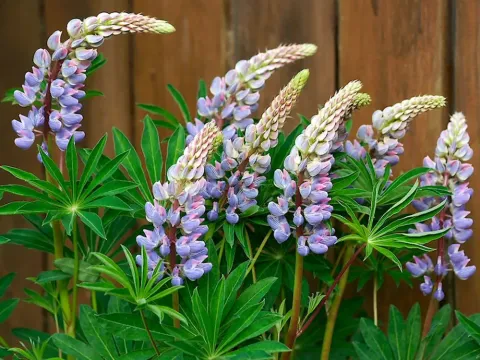
Hybrid lupin
Lupinus hybrids
Hybrid lupin, a member of the Fabaceae family, is typically sown in early spring as soon as the soil is workable. The optimal planting window usually falls between late March and mid-April, allowing the plants to capitalize on soil moisture reserves from the winter season.
What the section contains
Hybrid lupin
Seed germination requires soil temperatures between 5 and 10 degrees Celsius. Planting too early into cold soil can delay emergence and leave the seeds vulnerable to pathogens and pests, ultimately resulting in an uneven crop stand and reduced plant density.
The planting depth is highly dependent on soil texture and moisture levels. In light, sandy soils, seeds are typically placed at a depth of 4 to 5 centimeters, whereas in heavier clay soils, a depth of 3 centimeters is preferred to ensure that young shoots can successfully reach the surface.
For cover crop purposes, hybrid lupin can be sown in late summer after the harvest of primary grain crops. This strategy allows the plants to establish a robust root system and accumulate significant biomass before the first frost, effectively improving soil structure for the following season.
Selecting the correct seeding rate is essential for maximizing yield potential. Depending on the intended end-use, farmers typically aim for 1.2 to 2.0 million viable seeds per hectare to ensure optimal competition against weeds and sufficient biomass production.
Hybrid lupin is a light-demanding crop that requires full sun exposure to reach its maximum productivity. Inadequate lighting, whether caused by excessive plant density or environmental shading, significantly hinders the photosynthetic process and weakens the plant's overall architecture.
The crop thrives in light, well-draining soils such as sandy loams, which allow its deep taproot system to penetrate deep into the soil profile. Excessive soil compaction or poor drainage can cause waterlogging, which the species generally tolerates poorly, leading to root rot.
Soil pH plays a critical role in the growth of hybrid lupin, with a preferred range of 5.5 to 6.5. In soils with high pH levels, the plants often exhibit symptoms of nutrient deficiency, particularly chlorosis, due to the limited availability of essential micronutrients like iron and manganese.
While hybrid lupin is renowned for its drought tolerance, timely precipitation during the flowering and pod-filling stages is vital for achieving high yields. Moisture stress during these critical reproductive phases can drastically reduce the number of viable seeds per plant.
Adequate levels of phosphorus and potassium are necessary to support the activity of nitrogen-fixing bacteria residing in the plant's root nodules. These symbiotic organisms provide a significant portion of the plant's nitrogen requirements, reducing the need for synthetic fertilizers.
Fusarium wilt is a common fungal disease that affects the vascular system of the plant, often leading to rapid wilting and necrosis. To manage this threat, farmers should rotate lupin with non-leguminous crops, ensuring a minimum interval of several years to break the infection cycle in the soil.
Anthracnose poses a significant risk to hybrid lupin, manifesting as dark lesions on stems and pods. Because the pathogen can be seed-borne, using high-quality, certified, and treated seeds is a primary defense strategy, along with maintaining strict field hygiene to prevent the spread of spores.
The lupin weevil is a primary insect pest that targets young seedlings, often causing severe defoliation during the early growth stages. Integrated pest management, including regular field scouting and the strategic application of insecticides, is necessary to maintain crop integrity.
Aphids can cause direct damage by feeding on plant sap and indirect damage by transmitting viral diseases. These viral infections are difficult to treat once established, making early detection and control of aphid populations essential to prevent widespread crop deformation and yield loss.
Maintaining a healthy crop through optimal sowing dates, balanced fertilization, and effective weed control significantly reduces the vulnerability of hybrid lupin to pests and diseases, ensuring a more stable and higher-quality harvest throughout the growing season.