
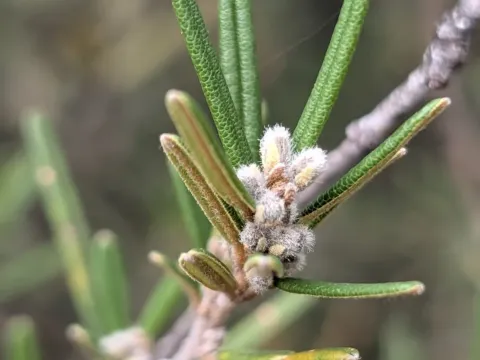
Hovea
Hovea
Propagation of Hovea is primarily achieved through seeds or stem cuttings. Given the hard seed coat, scarification or soaking in warm water is highly recommended to stimulate uniform germination.
What the section contains


Hovea
The optimal sowing time occurs in early spring. Seeds should be placed in a light, well-draining soil mix that remains consistently moist but not waterlogged during the establishment phase.
Warm conditions, ideally around 20 degrees Celsius, are crucial for successful germination, which usually takes several weeks. Seedlings require careful handling during the transplanting process.
Cutting propagation involves using semi-hardwood stems collected during the growing season. The use of rooting hormones significantly improves the success rate of the clones.
Newly propagated plants should be kept in a controlled environment to ensure protection from external stressors before they are moved to their permanent location.
Hovea is a genus within the Fabaceae family, native to Australia. These plants are well-adapted to environments that offer ample sunlight or light shade, combined with well-ventilated conditions.
The soil must be acidic to neutral and possess excellent drainage properties. Soils prone to compaction or waterlogging are unsuitable and can lead to immediate plant health decline.
Watering requirements are moderate. Once established, these plants can tolerate some dry periods, but consistent care is required during the intensive growth and flowering stages.
As they are not frost-hardy, Hovea species are often grown in greenhouses or as container plants in cooler climates. They appreciate a steady environment free from extreme temperature fluctuations.
The botanical aesthetic is defined by its vibrant pea-shaped flowers, which typically bloom in shades of blue or purple, making it a valuable addition to ornamental horticulture.
Root rot remains the most significant threat to Hovea, usually caused by overwatering or poor soil drainage. Maintaining a proper watering cycle is essential to prevent fungal outbreaks.
Spider mites are common pests that thrive in the dry air of greenhouses and interior spaces. Regular monitoring and humidity control are the primary methods for prevention.
Systemic fungicides are recommended for treating fungal infections, while specific acaricides should be used if pest populations exceed economic thresholds.
Nutritional deficiencies, particularly iron chlorosis, can occur if the soil pH is not maintained at the appropriate acidic levels, affecting the overall vitality of the plant.
Routine inspection of foliage and root health is vital for early detection of issues, ensuring that the plant remains healthy and resistant to environmental pressures.