
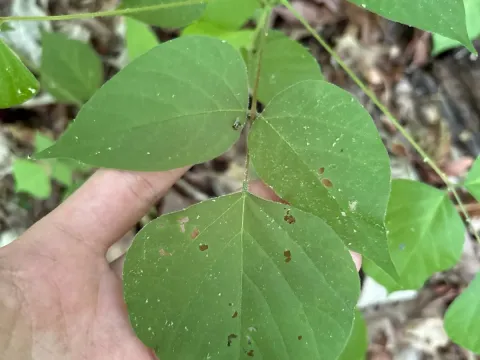
Hylodesmum
Hylodesmum
Hylodesmum is a genus of perennial herbaceous plants belonging to the legume family, Fabaceae. Formerly included within the genus Desmodium, these plants are now classified as a distinct genus characterized by specific anatomical traits of their fruits and foliage morphology.
What the section contains


Hylodesmum
The native range of this genus is primarily distributed throughout the temperate and subtropical regions of Asia and North America. They are typically found in forest understories and meadow edges, showing a natural preference for habitats that provide moderate protection from direct heat.
Cultivation requirements for Hylodesmum involve well-drained soil with a healthy level of organic matter. They thrive in sites with neutral to slightly acidic soil conditions and require adequate moisture to maintain robust leaf growth throughout the active vegetation season.
In terms of climate, Hylodesmum is adapted to temperate cycles. It prefers areas with consistent rainfall and is sensitive to prolonged periods of severe drought, which can significantly inhibit its capacity to establish a strong perennial root system.
The plant is highly valued for its contribution to soil health. As a nitrogen-fixing legume, it plays a vital role in sustainable agricultural practices by improving the nutrient profile of the soil through its symbiotic relationship with rhizobia bacteria.
Common botanical threats include various fungal infections, such as powdery mildew and leaf spot diseases, which often manifest during periods of prolonged high humidity and stagnant air circulation around the canopy.
Regarding insect pests, the crop is susceptible to damage by aphids and leaf-feeding larvae, which can impact the overall yield and physiological health of the plant during the critical growth stages.