
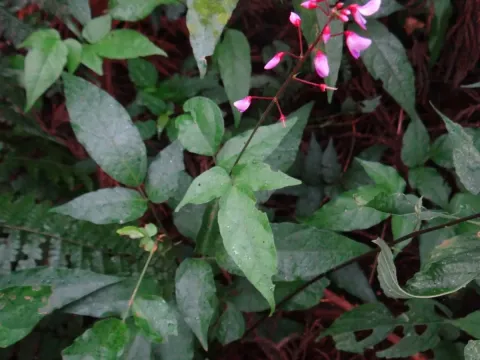
Hylodesmum laxum
Hylodesmum laxum
Hylodesmum laxum is a perennial herbaceous plant belonging to the Fabaceae family. Native to East and Southeast Asia, this species thrives in forest edges and semi-shaded environments, characteristic of its natural habitat.
What the section contains
Hylodesmum laxum
The plant requires fertile, well-draining soils with a neutral pH to reach optimal growth. It is highly valued for its ability to fix atmospheric nitrogen, which enhances soil health and nutrient availability for subsequent crops in a rotation.
Botanically, it features trifoliate leaves and a lax growth habit, from which its specific epithet is derived. The root system is robust, contributing to soil stabilization in areas prone to erosion.
In terms of climatic requirements, it prefers regions with warm temperatures and consistent moisture levels. It is not tolerant to extreme drought, making irrigation essential in areas with seasonal precipitation deficiencies.
Agricultural use centers on its potential as a high-protein fodder crop. Its ability to grow under varying levels of light intensity makes it a candidate for intercropping within agroforestry systems.
The primary threats to Hylodesmum laxum involve fungal infections, particularly root rot, which occurs in waterlogged soil conditions. Proper drainage is the most effective management strategy to prevent these losses.
Pests such as aphids and various leaf-chewing beetles can cause damage during the active growing season. Integrated pest management, including monitoring and biological controls, is recommended for sustainable cultivation.
Powdery mildew can affect the foliage in conditions of high humidity and poor air circulation. Thinning out the plantings and ensuring adequate spacing are critical practices to mitigate this risk.
Viral infections transmitted by sap-sucking insects may reduce biomass yield over time. Using disease-resistant cultivars and maintaining clean planting stock helps prevent the spread of such pathogens.
Weed competition during the seedling stage is a significant challenge. Ensuring the crop establishes quickly through adequate fertilization and soil preparation is vital for long-term productivity.