
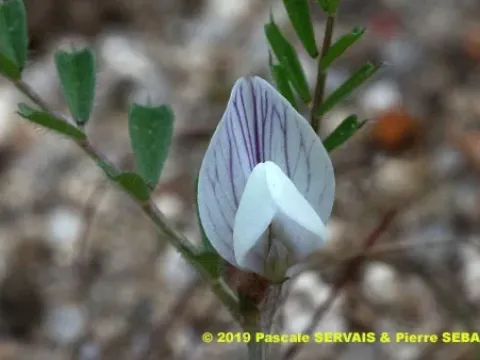
Vicia cuspidata
Vicia cuspidata
Vicia cuspidata is an annual herbaceous plant belonging to the Fabaceae family. Its native habitat spans the regions of East Asia, including the Far East, Eastern Siberia, China, and Korea, where it thrives in meadows and forest edges.
What the section contains
Vicia cuspidata
Sowing typically takes place in early spring once the soil temperature reaches 5–8 degrees Celsius. The crop exhibits strong initial growth, making it an excellent choice for rapid biomass development.
Standard row planting is the most effective method for this legume. The seeds should be planted at a depth of 3–5 cm, ensuring good soil-to-seed contact for uniform germination across the field.
It is often integrated into multi-species forage mixtures alongside cereals like oats or barley. This practice improves the stability of the stand, prevents lodging, and creates a more nutritious forage product.
Seeding rates must be calculated based on the specific end-use and soil conditions. Maintaining an optimal plant density is key to shading out competitive weeds in the early stages of growth.
This crop prefers moderate climates and is well-adapted to cooler spring conditions. It requires sunny, open environments to reach its maximum biomass potential during the growing season.
The ideal soil conditions are well-drained loams or sandy loams with a neutral to slightly acidic pH level. High water tables or prolonged waterlogging are detrimental to root development and plant vigor.
As a legume, it benefits from healthy nitrogen-fixing bacterial activity in the soil. Proper soil aeration is crucial for supporting these symbiotic microorganisms and enhancing overall soil fertility.
While the plant shows moderate drought tolerance, adequate moisture is essential during the budding and flowering stages. Sufficient water during these periods ensures a bountiful harvest of green biomass.
It is generally sensitive to competition, so fields should be prepared to be free of perennial weeds that could overshadow the crop during its critical developmental phases.
Yields of green biomass typically range between 150 to 200 decitonnes per hectare, depending on soil quality and agricultural management practices employed during the season.
The crop is primarily utilized as a high-quality source of forage, including hay and haylage. Its high protein content makes it an invaluable component in the rations for dairy cattle and other livestock.
Additionally, Vicia cuspidata serves as an excellent cover crop or green manure. It effectively enriches the soil with nitrogen, which is highly beneficial for subsequent crops within a crop rotation plan.
Seed production can yield between 5 and 12 decitonnes per hectare under optimal conditions. Careful attention to pollination and environmental factors during the pod-filling stage is recommended.
By providing a rich source of nutrients, the cultivation of this legume helps reduce dependency on expensive synthetic feed supplements, promoting more sustainable farming operations.
Root rot is the most common disease in Vicia cuspidata, usually triggered by poor drainage or overly tight crop rotations. Crop rotation and seed treatment are the primary defense strategies.
Powdery mildew can occur in humid conditions, affecting leaf health and biomass quality. If infestations become severe, the application of appropriate systemic fungicides may be necessary.
Nodule weevils represent a significant pest threat, especially to young seedlings. They can cause substantial damage to both roots and foliage, requiring proactive monitoring and potential insecticide use.
Aphids can thrive on the succulent tissues of the plant during the flowering stage, sucking sap and weakening the plant. Keeping fields clean and monitoring pest levels is essential for mitigation.
An integrated pest management approach, including early detection and the use of resistant varieties where available, is key to maintaining healthy and productive stands.
The optimal time for green forage harvesting is during full bloom, when the plant possesses the highest concentration of protein and vital nutrients for livestock nutrition.
When preparing hay, the objective is to dry the material quickly to prevent leaf shattering. Frequent turning of the windrows is recommended to ensure uniform drying and maintain high quality.
Seed harvesting should be performed using a combine harvester when the pods reach a dark, brittle stage of maturity. Preventing pod shatter is critical to maximizing the harvestable seed yield.
After collection, the seed must be cleaned and dried to a moisture content of approximately 14–15% to ensure safety during storage and prevent the risk of mold or heating.
Adhering to strict harvest schedules ensures that the final product meets all animal husbandry standards, providing reliable feed for the winter period and ensuring farm profitability.