
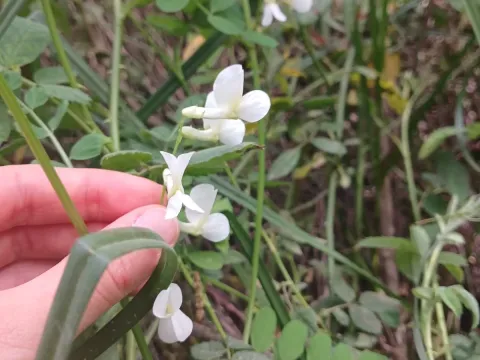
Vicia galeata
Vicia galeata
Vicia galeata is an annual leguminous plant that is typically sown in early spring as soon as the soil becomes workable and sufficiently warmed.
What the section contains
Vicia galeata
The optimal seeding depth generally ranges from 3 to 5 centimeters, depending on the moisture level and physical composition of the soil structure.
For efficient development, the crop requires a well-prepared seedbed that is free from perennial weeds to ensure that young seedlings are not suppressed.
Row seeding is recommended to ensure proper plant spacing, which encourages healthy root development and improves overall canopy aeration during the growth season.
Integrated planting with cereal crops is a common practice to provide mechanical support for the vetch, preventing lodging and improving the quality of forage.
This species thrives in a variety of soil types but demonstrates the best growth performance in fertile, well-drained loamy soils with neutral pH levels.
The plant exhibits a remarkable level of tolerance to moderate drought conditions, making it an excellent choice for regions with erratic rainfall patterns.
Adequate sunlight is essential for the crop's development; areas with excessive shade should be avoided to prevent stem elongation and poor seed production.
Soil fertility management, particularly the application of phosphorus and potassium, significantly enhances the nitrogen-fixing capabilities of the plant.
The plant prefers temperate climates and is highly sensitive to waterlogging, which can easily induce root rot and significantly limit the plant population.
Seed weevils are the most prominent pests, which can cause significant damage to the developing pods and drastically reduce the yield of high-quality seeds.
Root rot pathogens are a persistent threat, especially in soils that remain saturated for long periods or where crop rotation practices are not strictly followed.
Aphid infestations are frequently observed during the flowering period, which can weaken the plants and increase the risk of secondary viral infections.
Powdery mildew and various leaf spot diseases can occur during humid weather conditions, requiring regular field scouting to manage the disease spread.
Integrated pest management strategies are crucial for maintaining the health of the crop, emphasizing biological control and appropriate crop rotations.
For high-quality forage production, the crop should be harvested during the peak flowering stage to ensure the highest protein content in the biomass.
If producing hay, careful handling during the drying process is required to preserve the leaflets, which are the most nutrient-dense components of the plant.
Seed harvest is initiated when the pods mature and turn color, ensuring that the seeds have reached physiological maturity before the pods shatter.
Machinery settings should be adjusted carefully to minimize mechanical damage to the seeds, which are often fragile and prone to cracking under high pressure.
Post-harvest conditioning, including aeration and moisture control, is vital to ensure long-term viability of the seeds during the storage period.