
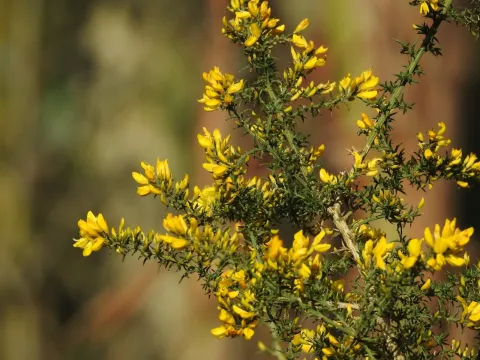
Ulex micranthus
Ulex micranthus
Ulex micranthus, belonging to the Fabaceae family, is an evergreen perennial shrub known for its resilience and nitrogen-fixing properties. Propagation is typically achieved through seeds, which require careful handling and scarification to break dormancy and ensure high germination rates.
What the section contains
Ulex micranthus
Sowing should take place in spring, once soil temperatures remain consistently above 12 degrees Celsius. Proper timing allows for the establishment of a robust root system before the dry summer heat commences, increasing plant survival.
In commercial nurseries, seeds are sown in containers under protective covers. This controlled environment ensures uniform growth and protects young seedlings from early-season environmental stresses before they are transplanted into the field.
Natural self-seeding is a common phenomenon with this species, necessitating strategic planning to prevent the plant from dominating unintended areas. Its ability to occupy space rapidly makes it an efficient colonizer in open terrains.
For planting, maintaining a density of 2–3 plants per square meter is recommended for agricultural purposes. This spacing ensures sufficient air circulation and light exposure, preventing the inner parts of the shrub from becoming excessively shaded and prone to rot.
Ulex micranthus thrives in climates characterized by mild, oceanic conditions. While it exhibits strong drought tolerance once established, it is vulnerable to prolonged exposure to severe frost, which can damage the tender shoot tips.
Soil requirements are quite specific; the plant prefers well-drained, acidic to slightly acidic sandy or stony substrates. It performs poorly in heavy, waterlogged clay soils, where root rot can quickly become a lethal issue.
High lime content in the soil should be avoided, as it inhibits healthy development and nutrient uptake. Unlike many other crops, this shrub does not require calcium-rich amendments; instead, it flourishes in nutrient-poor environments.
Full sun exposure is vital for the health and productivity of Ulex micranthus. In shaded environments, the plant becomes leggy and loses its density, significantly reducing the amount of flowers produced throughout the season.
Regarding maintenance, the plant requires very little fertilization due to its symbiotic relationship with nitrogen-fixing bacteria. This makes it a low-input crop suitable for sustainable agriculture and marginal land rehabilitation.
The primary agricultural utility of Ulex micranthus lies in its value as a significant honey plant. Its ability to produce nectar early in the year supports local bee populations and contributes to early-season honey production.
In pastoral regions, the biomass of this shrub serves as an auxiliary forage source for small ruminants like sheep and goats, especially during lean periods. The young, tender tips provide necessary proteins and roughage.
The plant is highly valued for erosion control and slope stabilization. Its deep, complex root structure anchors loose soil effectively, making it an excellent candidate for re-vegetation projects on steep or degraded terrains.
Owing to its dense and thorny structure, Ulex micranthus is frequently utilized to create impenetrable natural fences. These hedges provide effective perimeter control for livestock without the need for man-made materials.
Economic benefits are tied to the plant's low operational costs. Since it thrives without regular irrigation or synthetic fertilizers, it offers a cost-effective solution for farmers looking to utilize land that is otherwise unsuitable for row crops.
Powdery mildew represents a common fungal threat, especially in areas with poor airflow and high humidity. Proactive management involves spacing the plants correctly to ensure that the foliage remains dry and ventilated.
Pests like spider mites can negatively impact the plant during hot, dry spells. Regular inspections are recommended to catch infestations early, allowing for the application of biological controls before significant damage occurs.
Root rot remains the most serious threat to the longevity of Ulex micranthus plantations. To mitigate this risk, it is essential to prioritize site selection that guarantees natural drainage and prevents water accumulation around the crown.
Frost damage to terminal buds can occur during unexpected late spring snaps. While this rarely kills a mature plant, it can temporarily reduce flower yields, impacting honey production cycles for that year.
Leaf-chewing insects, such as certain caterpillar species, can cause minor defoliation. Typically, the shrub recovers on its own, but in heavy infestations, biological insecticides may be used to protect the biomass during critical growth phases.