
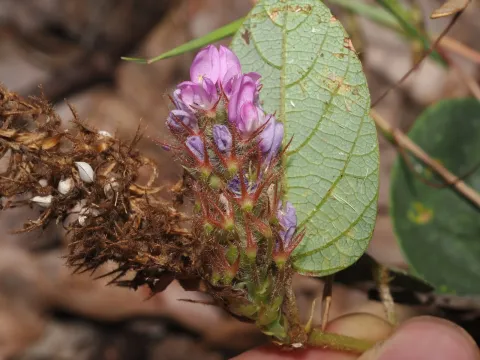
Uraria
Uraria
Sowing Uraria requires strict adherence to temperature regimes, as this crop is highly thermophilic. The optimal time for planting begins when the soil warms up to 18-22 degrees Celsius, and all risks of spring frosts are completely eliminated.
What the section contains


Uraria
The seeds of Uraria possess a hard coat, so scarification is recommended before sowing to improve germination rates. Planting is usually done in rows with spacing sufficient for mechanical maintenance during the early stages of vegetation.
Sowing depth depends on soil type and moisture content, typically ranging from 1 to 2 centimeters. Ensuring close contact between the seeds and moist soil is critical, as slow germination can allow weeds to outcompete the young Uraria plants.
In regions with short growing seasons, a seedling-based approach is often preferred. This allows the plants to establish a robust root system before transplantation, significantly shortening the time required to reach the active growth and flowering phases in the field.
Post-sowing irrigation is essential. Uraria is particularly sensitive to water deficiency during the initial development phases, so maintaining consistent soil moisture levels for the first 3-4 weeks is vital for successful establishment.
Uraria belongs to the Fabaceae family and thrives in well-drained, fertile soils with a neutral or slightly acidic pH. Waterlogging is detrimental to this crop, as it quickly leads to root rot and other fungal diseases.
For successful growth, Uraria requires intense sunlight; therefore, planting sites must be open and sheltered from strong winds. The plant exhibits high thermal requirements throughout its entire vegetative development cycle.
The soil should be rich in organic matter, supporting the plant's ability to form symbiotic relationships with nitrogen-fixing bacteria. Applying phosphate and potassium fertilizers during soil preparation promotes healthier root development and stronger overall growth.
During the growing season, regular weeding and soil loosening are necessary to ensure proper aeration of the root system. This is particularly important in heavy soils that are prone to forming a crust, which can inhibit oxygen exchange.
Good agrotechnical practices also include monitoring for weed pressure. Since Uraria grows slowly in its early stages, mulching can be an effective way to suppress unwanted vegetation and retain essential soil moisture.
The main threats to Uraria crops include fungal diseases that flourish in high humidity and stagnant air. Fusarium wilt is the most dangerous pathogen, capable of causing widespread plant death within a short period if not managed correctly.
Pests such as weevils and various aphid species pose a significant threat to young shoots and leaves. These insects feed on plant sap, leading to leaf deformation, stunted growth, and a general decline in the plant's vitality.
Disease prevention relies on strict crop rotation, ensuring that Uraria is not planted on the same land more than once every 3-4 years. It is recommended to avoid planting Uraria after other legumes to prevent the build-up of shared pathogens.
Insecticide treatments during peak pest outbreaks are standard practice for crop protection. However, biological control methods are highly preferred, especially given the common use of Uraria in herbal medicine and supplements.
Root system damage caused by soil-dwelling larvae, such as wireworms, can lead to a drastic reduction in yield. Pre-planting soil monitoring allows farmers to detect potential infestations and apply necessary protective measures in time.
The harvesting of Uraria depends on its intended use, whether it is for medicinal raw material or seed production. The timing of the harvest is determined by the specific development phase and the peak concentration of active compounds.
Green biomass harvesting is typically conducted during full flowering, when the concentration of beneficial substances is at its highest. Mechanical harvesters allow for efficient cutting and gathering, minimizing quality loss.
After harvesting, the raw material must be dried immediately under controlled temperature conditions to prevent spoilage and ensure the preservation of medicinal properties. Industrial-grade drying chambers are often used to maintain quality.
Seed harvesting occurs when the pods turn brown and seed moisture content drops to safe storage levels. Delaying the harvest can lead to pod shattering and significant seed loss in the field, while premature harvesting results in low viability.
Post-harvest processing involves cleaning, sorting, and calibrating the seeds. Storing seeds in cool, dry, and well-ventilated conditions is essential to maintain high germination energy for the following planting season.