
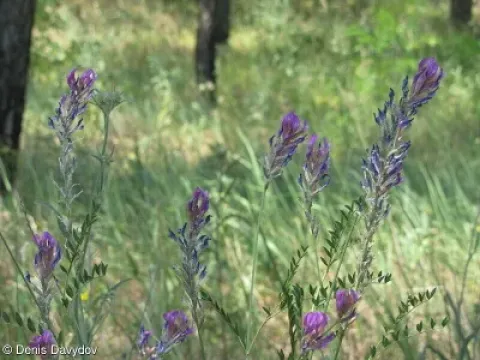
Variable milkvetch
Astragalus varius
Variable milkvetch (Astragalus varius) is a perennial herbaceous plant belonging to the legume family (Fabaceae). This crop is recognized for its agronomic value in forage production, providing high-protein biomass and contributing to soil fertility improvement through nitrogen fixation.
What the section contains
Variable milkvetch
The plant originates from the steppe and forest-steppe zones, where it is adapted to open habitats. Its botanical structure includes a strong, deep taproot system, which allows the plant to thrive in various environments by accessing deep moisture and nutrients that are unavailable to shallower-rooted grasses.
Regarding environmental conditions, Astragalus varius is highly drought-tolerant and resilient to extreme winter temperatures. It performs best in well-drained, sunny locations with neutral or slightly alkaline soil types. It is particularly well-suited for light to medium-textured soils, avoiding waterlogged sites.
The agrotechnology for this crop requires meticulous seedbed preparation to ensure uniform germination. Weed control during the establishment year is crucial as the plants start to grow relatively slowly. Proper fertilization, particularly with phosphorus, significantly enhances root development and overall productivity during the following seasons.
Economically, this species is utilized for hay production and grazing. Its forage quality is high, being rich in essential nutrients for livestock. Additionally, it serves as an excellent nectar source, supporting local pollinator populations and contributing to agricultural biodiversity.
Common phytosanitary threats include powdery mildew and various rust diseases, which can manifest in dense or poorly ventilated stands. Maintaining optimal planting density and adequate sunlight exposure is essential to mitigate the risks associated with fungal pathogens.
Major pests affecting this crop include weevils and other foliage-feeding insects that can damage the developing leaves and reproductive structures. Monitoring pest populations during the growing season and implementing integrated pest management practices is recommended to ensure a healthy yield.