
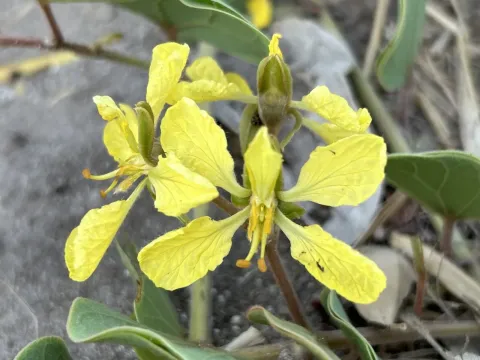
Tylosema
Tylosema
Tylosema is a crop adapted to arid regions, so the sowing schedule is strictly tied to the onset of the rainy season. In agricultural settings, seeds are planted directly into well-warmed, well-drained soil immediately after the first rains.
What the section contains


Tylosema
Since the plant develops a massive tuberous root, ensuring the correct planting depth is critical for successful germination. Scarification of the seeds is often recommended to speed up moisture absorption through the thick seed coat.
Sowing should take place when soil temperatures are consistently above 20 degrees Celsius. Excess moisture during the germination phase can lead to seed rot, making the selection of well-drained plots an essential prerequisite.
In industrial cultivation, planting density is a key factor affecting the development of the vines. Proper spacing ensures that the plants receive maximum sunlight, which is necessary for active growth and biomass accumulation.
The optimal time for field operations is when the risk of late frosts has passed, as cold snaps can be fatal to young, tender seedlings that have not yet established their root system.
Tylosema belongs to the Fabaceae family and is known for its exceptional hardiness in semi-desert environments. The plant is perfectly adapted to nutrient-poor sandy soils where other conventional crops fail to thrive.
The primary biological feature of this crop is its deep, tuberous root, which serves as a reservoir for water and essential nutrients. This adaptation allows the plant to survive extended drought periods typical of Southern Africa.
The plant requires intense sunlight and is highly sensitive to shading. Any significant reduction in direct light intensity leads to a decrease in photosynthesis rates and slows down the overall development of the plant.
Tylosema demonstrates remarkable tolerance to soil salinity and low pH levels, making it a promising candidate for cultivation on marginal lands. It is capable of nitrogen fixation, which contributes to improving soil structure and fertility.
While it does not require an intensive irrigation system, maintaining optimal moisture levels during the flowering and pod-filling stages is crucial for achieving high yield potential.
The economic value of Tylosema lies primarily in its nutritious seeds, which have a flavor reminiscent of peanuts. Yields can remain stable even during years with significantly below-average rainfall.
The harvest consists mainly of pods containing seeds rich in plant-based proteins and healthy fats. This makes the crop a reliable food source for populations living in regions with harsh, dry climates.
In addition to the seeds, the tuberous roots are also edible after proper processing, serving as a significant source of carbohydrates. This versatility increases the value of the plant for sustainable food systems.
In large-scale farming, Tylosema is valued for its ability to produce marketable yields in areas where traditional agriculture is considered economically non-viable.
Harvesting is typically carried out once the pods have fully matured and begun to dry, which simplifies the process of seed extraction and processing.
Like most legumes, Tylosema can be susceptible to pathogens common in arid regions. Root rots represent the most significant threat, often resulting from poor drainage and water stagnation near the root collar.
Seed pests, such as various types of bruchid beetles, can cause substantial damage to the harvest if stored incorrectly in warehouse conditions.
Bacterial infections, exacerbated by high humidity, may cause leaf spotting, which weakens the plant and lowers its overall productivity throughout the growing season.
Weed control is essential during the early stages of development, as Tylosema grows relatively slowly at the beginning and requires a clean environment to establish its root system and foliage.
Implementing an integrated pest management approach helps control harmful insect populations without having a significant negative impact on the ecological balance of the farmland.
Harvesting Tylosema requires care to maintain the integrity of the seeds. The process begins when the pods turn a characteristic dark color and become brittle to the touch.
Manual harvesting allows for selective picking, ensuring that only the highest quality pods are collected without damaging the immature ones still developing on the vine.
Post-harvest, the pods must be air-dried to reduce moisture content, which is a necessary step for long-term storage and preventing the development of mold and fungal growth.
Tubers intended for food use are extracted from the soil using appropriate tools, carefully minimizing damage to the main taproot so the plant can potentially regenerate for the next season.
Transportation of the harvested crop should be conducted in well-ventilated containers to avoid spoilage caused by residual moisture during transit.