
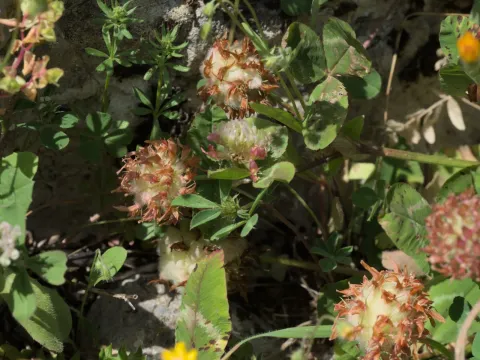
Swollen clover
Trifolium physodes
Swollen clover (Trifolium physodes) is a perennial herbaceous plant belonging to the Fabaceae family. It is distinct due to its unique botanical feature: the calyx becomes inflated as the fruit matures, which is the primary characteristic that defines this species among other clovers.
What the section contains
Swollen clover
The plant is native to the Mediterranean region and parts of the Middle East, where it thrives in dry, open habitats and rocky slopes. It has evolved to be highly resilient, allowing it to withstand prolonged dry spells that would typically stress other common forage legumes.
Regarding soil requirements, Swollen clover prefers well-drained, carbonate-rich soils. While it can tolerate a variety of soil textures, it shows optimal growth performance in conditions that provide adequate aeration and sufficient access to minerals, which are commonly found in its natural mountainous range.
From an agronomical perspective, the culture serves as a valuable component in pasture ecosystems. Its nitrogen-fixing ability, supported by symbiotic bacteria, helps maintain soil fertility in areas where agricultural inputs are limited, thus supporting sustainable grazing management.
Botanically, it features a robust root system and a compact growth habit, making it an excellent candidate for stabilizing soil on slopes and improving the nutritional quality of natural forage. The plant is valued for its persistence and ability to reseed effectively in its native environment.
Typical threats to Swollen clover include fungal infections such as rust and leaf spot, which are often exacerbated by poor air circulation or excessive moisture in the canopy. Good management practices, such as appropriate stocking rates, are essential to maintain crop health.
Pests, particularly aphids and various weevil species, can impact the vigor of the plant during the vegetative phase. Farmers focus on monitoring these populations to ensure that the clover stands remain productive for grazing purposes without the need for intensive chemical interventions.