
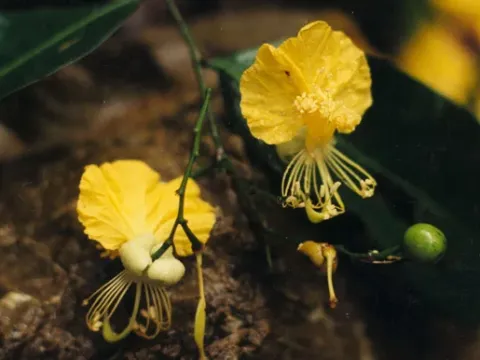
Swartzia
Swartzia
Swartzia is a diverse genus of trees and shrubs belonging to the legume family, Fabaceae. These plants are native to the tropical regions of the Americas, thriving in diverse environments ranging from lowland rainforests to savannah-like habitats.
What the section contains


Swartzia
The cultural success of Swartzia depends on maintaining a tropical climate with high temperatures and consistent humidity levels. They are strictly non-frost tolerant plants, making them suitable only for specific tropical or greenhouse conditions.
Soil requirements dictate the use of well-drained, nutrient-rich substrates. Poor drainage is the primary limiting factor for growth, as the root systems of these species are highly susceptible to oxygen deprivation in waterlogged soils.
Optimal site preparation involves ensuring adequate soil structure and the integration of organic matter to mimic natural forest floor conditions. Regular monitoring for nutrient deficiency is recommended during the early development stages of the seedlings.
Silvicultural practices for this genus focus on promoting healthy growth through proper spacing, which reduces competition for light and ensures that individual trees achieve their full potential in wood density.
The primary economic output of Swartzia species is their dense, high-quality timber. Known for its durability and intricate grain, the wood is highly sought after by craftsmen for fine furniture and specialized items.
Harvesting is typically conducted through sustainable forestry practices, ensuring that individual trees are harvested only when they reach the desired maturity and diameter for commercial utility.
Sustainable management involves rotational harvesting, which allows the ecosystem to regenerate naturally. This practice is essential for maintaining the long-term viability of Swartzia populations in managed forest tracts.
Beyond timber, ongoing botanical research highlights the potential of various Swartzia species for non-timber forest products, including pharmacological applications derived from plant extracts.
Post-harvest processing involves careful drying and seasoning techniques, as the dense nature of the wood requires controlled conditions to prevent warping or cracking during the finishing process.