
Syrian fenugreek
Trigonella caelesyriaca
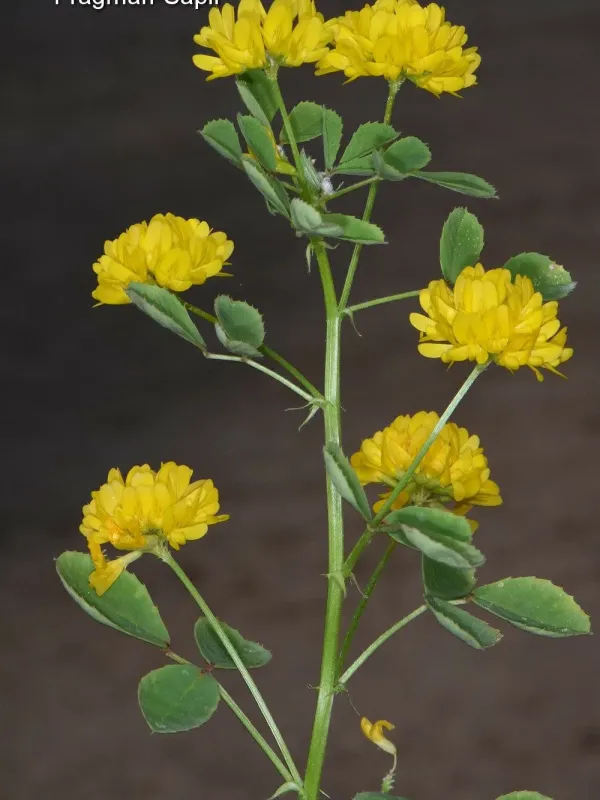
Description
Sowing dates
Syrian fenugreek (Trigonella caelesyriaca) is a leguminous herb characterized by its distinct adaptation to Mediterranean and Middle Eastern climates. It belongs to the Fabaceae family and is valued for its unique phytochemical properties and role in sustainable crop rotation.
Sowing should take place in early spring once soil temperatures reach a stable 12°C. The seedbed must be finely prepared to ensure even germination and to support the delicate root systems of the young seedlings during the initial development phase.
The optimal planting density involves rows spaced 30 to 40 cm apart, with a seeding depth of approximately 2 cm. This spacing allows for adequate air circulation and eases mechanical or manual weeding operations during the early growth stages.
Soil requirements focus on well-draining, loose textured earth. Fenugreek is known for its ability to fix atmospheric nitrogen, which helps improve the nutritional profile of the soil for subsequent crops in the rotation cycle.
Proper irrigation management is vital during the emergence phase. While the crop can tolerate moderate heat, maintaining soil moisture consistency until the flowering stage is essential for establishing a healthy and productive stand.
Growing requirements
This crop thrives in full sun exposure and requires sites with excellent sunlight availability throughout the day. Shady conditions typically result in elongated, weak stems and significantly reduced seed production potential.
The preferred climate for Syrian fenugreek is warm and dry. Temperatures between 20°C and 25°C are ideal for active photosynthesis and biomass accumulation, while extreme humidity should be avoided to prevent fungal development.
Soil pH levels should ideally be neutral or slightly alkaline. Sandy loam soils provide the best environment for the development of taproots, which are sensitive to compacted or waterlogged soil conditions.
Agronomic management includes routine cultivation of inter-row spaces to control weeds and enhance soil aeration. Keeping the soil surface loose prevents moisture loss through evaporation, which is crucial in arid cultivation zones.
Fertilization regimes should prioritize phosphorus and potassium to strengthen plant stems and promote pod development. Given its nitrogen-fixing capabilities, excessive nitrogen application is generally unnecessary and can negatively affect plant development.
Main diseases and pests
The main threats to Syrian fenugreek include fungal pathogens such as Fusarium and Rhizoctonia, which are often encouraged by excessive irrigation or poor drainage. These pathogens can cause root rot and systemic wilting.
Insect pests like aphids can significantly damage tender shoots and leaves. Regular monitoring and the use of integrated pest management (IPM) strategies, including natural predators, are recommended to maintain crop health.
Weed management remains the most labor-intensive part of the cultivation process. Young plants are poor competitors; therefore, maintaining a clean field in the first month post-emergence is critical for high yields.
Powdery mildew can occur during periods of high humidity and poor ventilation within the canopy. Improving air circulation by adjusting planting density helps mitigate the spread of these common fungal issues.
Strategic crop rotation is recommended to prevent the buildup of soil-borne diseases. Avoiding the planting of Syrian fenugreek on fields where other legumes were recently grown helps minimize the impact of host-specific pathogens.