
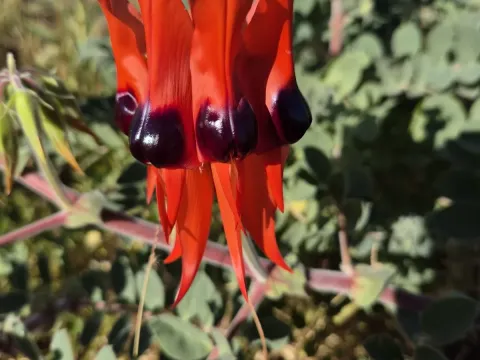
Swainsona
Swainsona
Swainsona is a diverse genus of plants within the Fabaceae family, predominantly native to the arid and semi-arid regions of Australia. These legumes are well-adapted to harsh environments, making them highly resilient to drought conditions.
What the section contains


Swainsona
Successful cultivation requires soil that is exceptionally well-draining, such as sandy loams or gravelly soils. Waterlogged conditions are detrimental to the root system, often leading to rapid decline or total loss of the crop.
These plants thrive in full sun exposure. The intensity of solar radiation helps them maintain metabolic activity in regions where other crops might struggle with water evaporation and nutrient uptake efficiency.
Agricultural management involves careful monitoring of soil pH and ensuring the presence of beneficial nitrogen-fixing bacteria. Without these symbiotic microorganisms, the growth rate of Swainsona is significantly stunted due to nitrogen deficiency.
In terms of usage, the genus is valued for its hardiness in revegetation projects. While some species serve as livestock feed, producers must be cautious, as certain Swainsona types contain alkaloids that can be toxic if consumed in large quantities.
The most significant threats to Swainsona are soil-borne pathogens, specifically fungal infections such as Pythium or Fusarium species. These are almost exclusively linked to poor drainage and high humidity levels.
Insect pests include various larvae that feed on foliage or developing seed pods. Monitoring for these pests during the vegetative stage is essential to ensure the plant can build up sufficient energy reserves.
Weed competition is another major factor, especially during the establishment phase. Since Swainsona is slow to establish in its early growth stages, mechanical weed control is often necessary to provide sufficient space.
Preventative measures center on soil aeration and site selection. Avoid planting in low-lying areas where water might pool after rainfall, as this is the primary cause of disease outbreaks in this crop.
Integrated pest management strategies are recommended, focusing on maintaining plant vigor through proper soil preparation and irrigation scheduling. Healthy plants are significantly more capable of resisting occasional pest pressure.