
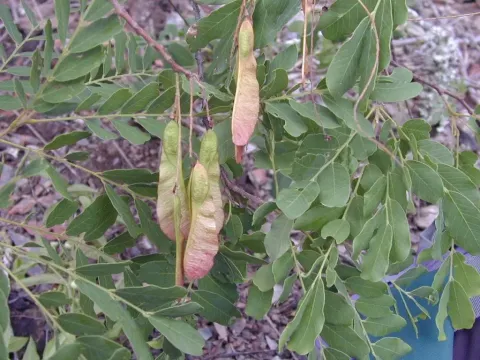
Sweetia
Sweetia
Sweetia is a genus of trees belonging to the Fabaceae family, commonly found in the tropical regions of Central and South America. These trees are recognized for their robust stature and their ecological importance in tropical forest landscapes.
What the section contains


Sweetia
The culture requires tropical climates with high humidity and consistent rainfall patterns to achieve its full growth potential. While adaptable to various soils, it shows a distinct preference for deep, fertile, and well-draining substrates.
Agricultural management of Sweetia involves ensuring sufficient space for canopy development, as these trees can grow quite large. Proper site selection should avoid areas prone to heavy waterlogging, which the plant cannot tolerate.
As a light-demanding species, Sweetia should be positioned in areas with adequate sun exposure, although young saplings often benefit from partial shade to establish their root systems without excessive heat stress.
The timber produced by Sweetia is highly regarded in local and international markets for its density and durability. It serves as an excellent material for construction, furniture, and various fine carpentry applications.
The primary health concerns for Sweetia are fungal infections, which typically emerge during periods of prolonged humidity or within poorly aerated plantations.
Insect pests, particularly wood-boring beetles, represent a significant threat to established trees, as they can cause extensive internal damage to the trunk and wood structure.
Weed management is critical during the initial years of growth to prevent nutrient and water competition that can severely stunt the development of young Sweetia plants.
Pathogen control is often achieved through regular monitoring and ensuring that trees are not overly crowded, which improves airflow and reduces the probability of disease outbreak.
Maintaining high soil quality and preventing physical damage to the trunk are essential practices to ensure the long-term health and productivity of the stand.