
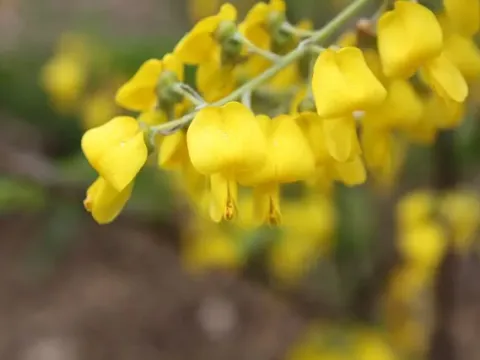
Korean sophora
Sophora koreensis
The propagation of Korean sophora is primarily achieved through seeds, which require specific preparation methods to ensure successful germination in outdoor conditions.
What the section contains
Korean sophora
Before sowing, seeds are often scarified or soaked in warm water to soften the hard outer coat, which significantly improves the water absorption process for the embryo.
In nursery environments, sowing is performed in late winter to early spring, providing stable temperatures to support the initial stages of root system development.
Once the seedlings reach a certain height and develop true leaves, they are hardened off before being transplanted into the permanent site in the garden or field.
Strategic planting spacing is crucial, allowing for adequate light penetration and ventilation, which are vital for the long-term health and growth of the shrub.
As a member of the Fabaceae family, Korean sophora thrives in well-drained, nutrient-rich soils that maintain a balanced moisture level throughout the growing season.
This species is sun-loving and requires a location with full exposure to sunlight to develop a compact shape and ensure healthy flowering during its active period.
Adequate soil fertility is essential, and the application of balanced fertilizers during the spring can greatly stimulate robust vegetative growth and improve overall vigor.
During extreme summer heat, supplemental irrigation is necessary to prevent the plant from experiencing water stress, which can lead to leaf yellowing or early shedding.
Cold protection is highly recommended for young plants, especially in regions with harsh winters, to prevent frost damage to the delicate root systems and young stems.
Fungal infections remain the most common threat to Korean sophora, particularly when the plants are subjected to poorly drained soil or excessively humid air conditions.
Pests such as spider mites and various types of aphids can quickly colonize the shrub, feeding on succulent tissues and causing significant damage to the foliage.
Early detection of pest infestations is key, and regular inspection of the undersides of leaves can help in applying control measures before the population grows significantly.
Sanitary maintenance, including the removal of dead or diseased branches, is vital to prevent the spread of infections and maintain a vigorous growth habit for the plant.
Integrated pest management strategies, involving both cultural practices and targeted treatments, are effective in protecting the crop from major biological stressors.