
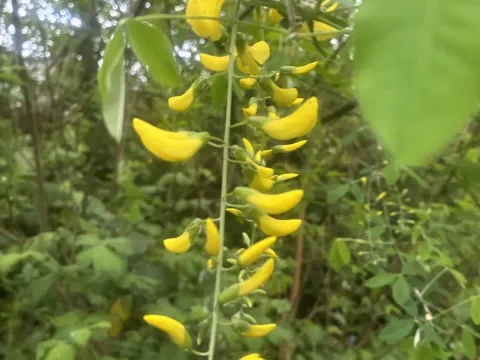
Laburnum
Laburnum Fabr.
Laburnum is a genus of deciduous shrubs or small trees belonging to the Fabaceae (Legume) family. It is globally recognized for its spectacular pendant racemes of yellow flowers, which earned it the common name "golden chain tree" due to its cascading appearance.
What the section contains


Laburnum
Originating from the mountainous regions of Central and Southern Europe, this culture is well-adapted to temperate climates. It thrives in locations that receive full sunlight, as sufficient light exposure is critical for the development of prolific flower buds.
The plant requires well-drained, fertile soil, ideally with a neutral or slightly alkaline pH. It struggles in heavy clay soils or areas prone to waterlogging, as these conditions significantly increase the risk of root rot and overall plant decline.
Cultivation practices involve routine pruning to maintain shape and remove dead wood. This should be performed immediately after flowering to prevent the removal of new buds. Mulching the root zone helps retain moisture and provides the plant with consistent nutritional support.
Due to its toxic nature, which includes the alkaloid cytisine, Laburnum is strictly an ornamental plant. It is widely used in landscaping to create architectural highlights, though care must be taken to plant it away from areas frequented by small children or grazing livestock.
The primary threats to Laburnum include fungal diseases such as leaf spot and powdery mildew. These diseases are usually triggered by poor air circulation and excessive humidity, requiring fungicides and better canopy management to control effectively.
Pest pressure is frequently driven by aphid infestations, which congregate on succulent new growth. If left unchecked, these insects can weaken the tree and serve as vectors for secondary viral infections, necessitating timely insecticidal applications.
Twig blight and branch cankers are significant physiological issues that often occur if the tree is stressed by drought or poor site selection. Maintaining soil health and correct irrigation are key preventative measures against these pathogens.
Monitoring the plant during the growing season for signs of leaf miners or moth larvae is recommended. These pests can significantly diminish the aesthetic value of the foliage, even if they do not cause fatal damage to the entire specimen.
Overall plant health is largely dependent on proper sanitation practices, including the removal and destruction of fallen leaves and infected branches, which helps to break the disease cycle and ensure long-term vitality of the Laburnum trees.