
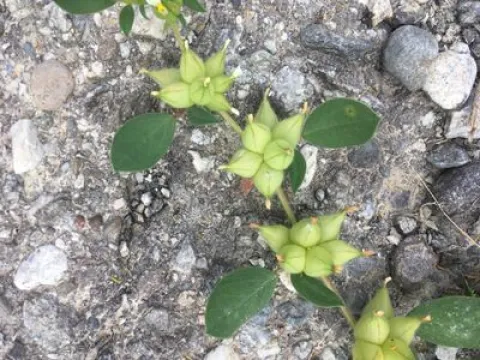
Kidney vetch
Tripodion
Kidney vetch is typically sown in the spring as soon as the soil warms up to 5–8 degrees Celsius, which allows for uniform germination in moist conditions.
What the section contains

Kidney vetch
Late autumn sowing is also permitted in northern regions, ensuring early germination in the spring by utilizing snowmelt moisture.
When used in seed mixtures, sowing dates must be aligned with the growth patterns of companion grasses to prevent interspecific competition.
Seeds should be planted at a depth of 1.5–2 centimeters, as deeper placement significantly reduces the germination energy of the small seeds.
The optimal seeding rate for pure stands is approximately 12–15 kilograms per hectare, ensuring the establishment of a dense and productive sward.
As a legume, this crop is known for its ecological plasticity, thriving in both calcareous and loamy soil types across various landscapes.
The plant exhibits exceptional drought resistance, making it a valuable component for improving low-productivity pastures in arid regions.
Kidney vetch is not highly demanding in terms of climate, though optimal biomass production is achieved in temperate regions with adequate sunlight.
The soil must be well-aerated, as waterlogging in the root zone negatively impacts the development of nitrogen-fixing nodules.
Light liming is beneficial for intensive growth, as it improves soil structure and promotes the activity of essential soil microorganisms.
The green mass yield of kidney vetch varies significantly depending on soil fertility and the amount of precipitation during the vegetation period.
Under favorable conditions, two harvests per season can yield 20–30 centners of hay per hectare, which is a significant figure for legume forage.
Peak productivity is observed in the second and third years after sowing, after which the stand gradually thins and may require overseeding.
The value of the crop lies not only in mass volume but also in its high protein content, which is essential for a balanced livestock diet.
Regular application of phosphorus-potassium fertilizers helps significantly increase hay output and improves the quality of subsequent regrowth.
The most common diseases are root rots, which tend to proliferate under conditions of high soil moisture or poor crop rotation practices.
Pests, such as clover root weevils, can cause substantial damage to young seedlings by consuming foliage and injuring the root system.
Powdery mildew outbreaks are frequent, especially during periods of high air humidity and stagnant air within the dense canopy.
To prevent the spread of infections, it is highly recommended to disinfect seed material thoroughly before beginning any sowing operations.
In cases of severe pest infestation, authorized insecticides should be applied while strictly adhering to safety intervals before harvesting.
The first cut should be performed during the early flowering phase, when the plant has accumulated maximum nutrients and micronutrients in its stems.
Delayed harvesting leads to coarse stems and leaf loss, which critically lowers the nutritional value of the hay produced for livestock.
The second cut is scheduled 40–50 days after the first, allowing the plant sufficient time to recover and prepare for the winter dormancy period.
Mowing should be carried out at a height of at least 5–7 centimeters from the ground to preserve the growth points for successful regrowth.
Immediate wilting of the mass in windrows is necessary after cutting to prevent mold development and ensure the preservation of all essential vitamins.