
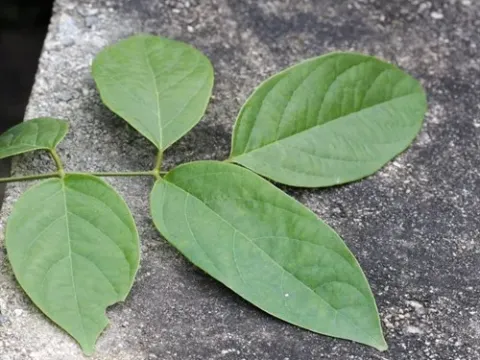
Kunstleria
Kunstleria
The genus Kunstleria consists of woody vines that propagate primarily through seeds in their natural tropical habitats.
What the section contains

Kunstleria
Sowing should ideally coincide with the transition periods in tropical climates, following the onset of the wet season.
Successful germination requires a well-draining, humus-rich substrate that mimics the forest floor environment.
Seeds must be kept at high temperatures, typically between 25°C and 30°C, with constant humidity to ensure viability.
Propagation through cuttings is challenging, requiring specialized rooting hormones to overcome the plant's natural lignification patterns.
As a member of the Fabaceae family, Kunstleria possesses the biological capacity for nitrogen fixation, which supports its growth in diverse soils.
The native range of this genus is concentrated in the tropical rainforests of Southeast Asia, including parts of the Malay Peninsula.
These plants thrive in environments with consistent high humidity and warm temperatures throughout the entire year.
Cultivation requires robust support structures, as these vines naturally climb towards the canopy to capture sufficient sunlight.
Soil conditions should be acidic to neutral, with high organic content to facilitate the complex root systems typical of woody climbers.
Currently, the economic utility of Kunstleria is primarily focused on traditional medicine and specialized scientific research.
Yield metrics for this culture are typically defined by the annual production of biomass rather than seed or fruit harvests.
The growth rate and subsequent harvest volume are highly dependent on the plant's access to light and nutrient availability.
With careful management, these vines can produce high amounts of organic matter, allowing for a sustainable harvesting rotation.
Detailed industrial yield data per hectare is limited due to the lack of large-scale commercial cultivation projects at this stage.
The most significant threat to Kunstleria populations is the rapid habitat loss caused by deforestation in Southeast Asian regions.
Fungal infections are a constant concern in cultivation, particularly when humidity levels exceed the requirements for healthy growth.
Various tropical insects, including leaf-mining beetles, can cause localized damage to the canopy and reduce the plant's vigor.
Intense competition from other climbing species often hinders the survival of young Kunstleria plants in their natural environment.
The lack of standardized phytosanitary protocols makes the plants susceptible to unchecked outbreaks of common tropical pathogens.
Harvesting of plant parts is done through selective pruning of mature vines, ensuring the plant remains structurally sound.
It is vital to use sterilized equipment to prevent the introduction of pathogens into the vascular system of the vine.
Post-harvest processing requires immediate drying in shaded, well-ventilated areas to prevent fungal development on the raw material.
Sustainable harvesting practices involve removing only a portion of the foliage, allowing the vine to regenerate efficiently.
Stored raw materials must be kept in controlled, moisture-free conditions to maintain their bioactive properties for medicinal use.