
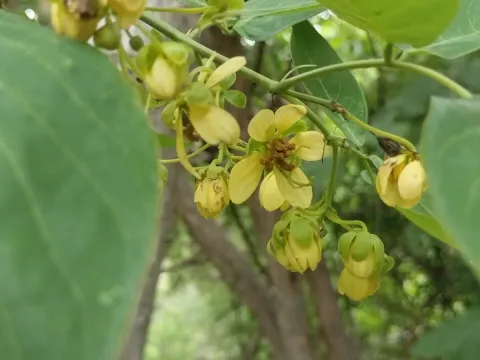
Senna fruticosa
Senna fruticosa
Senna fruticosa is a perennial shrub belonging to the Fabaceae family, native to tropical regions of the Americas. This species is known for its robust growth habit and significant utility in both medicinal and ecological applications.
What the section contains
Senna fruticosa
The plant thrives in warm, tropical climates with consistent temperatures throughout the year. It is highly sensitive to frost, which limits its commercial cultivation to frost-free zones. Adequate exposure to sunlight is mandatory for optimal photosynthesis and flower production.
Regarding soil preferences, the plant requires well-drained, fertile substrates. While it can adapt to various soil types, loamy soils rich in organic matter are ideal. Waterlogging must be strictly avoided, as it leads to root decay and severe plant decline.
Agronomic management involves periodic pruning to maintain plant vigor and encourage new growth. Irrigation should be applied strategically, ensuring the root system receives moisture without remaining saturated for extended periods.
Commercially, Senna fruticosa is harvested for its phytochemical properties. Its leaves and seeds are processed for compounds used in pharmaceutical formulations, making it a valuable specialty crop in specific regions.
Fungal diseases remain the most significant threat to Senna fruticosa. High humidity and poor air circulation often lead to infections such as leaf spot or root rot, which can cause significant yield losses if not managed promptly.
Pest pressures include aphids and spider mites, which thrive in hot, dry conditions. These pests damage foliage, significantly impacting the plant's ability to produce secondary metabolites required for industrial processing.
Integrated Pest Management (IPM) strategies are recommended to mitigate these risks. This includes the use of biological control agents and ensuring appropriate spacing between individual shrubs to improve airflow.
Leaf-eating larvae represent another serious threat, particularly during the vegetative growth stage. Early detection through regular field scouting is crucial for preventing widespread outbreaks that could defoliate the crop.
Maintaining crop hygiene by removing fallen leaves and pruning infected branches helps reduce the inoculum load. This proactive approach ensures the long-term sustainability of the cultivation plot.