
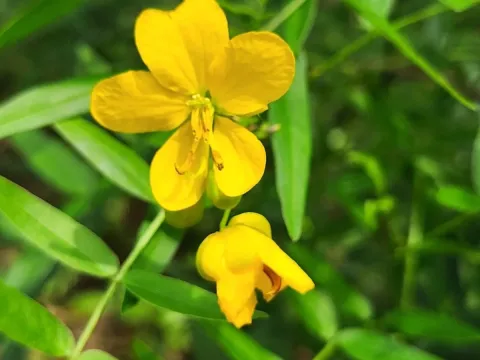
Senna ligustrina
Senna ligustrina
Sowing of Senna ligustrina under natural habitat conditions is primarily performed in the spring when soil temperatures reach optimal levels following the rainy season. Seeds require pre-sowing scarification to penetrate their hard seed coat.
What the section contains
Senna ligustrina
In experimental or commercial cultivation, seeds are sown using row spacing of up to 60 centimeters. This ensures adequate space for individual shrub development and simplifies long-term field maintenance.
The sowing depth is typically set between 1 and 2 centimeters, depending on soil moisture levels and texture. Using high-quality, pre-treated seed is essential to ensure uniform germination and crop establishment.
In greenhouse settings, sowing may be initiated earlier to produce healthy seedlings. Once the plants reach the two-to-three true leaf stage, they are transplanted into their permanent growing site.
The optimal germination temperature for this species ranges from 22 to 25 degrees Celsius. Significant temperature fluctuations during the sprouting phase can drastically reduce final emergence rates.
Senna ligustrina, a member of the Fabaceae family, is a perennial shrub native to tropical regions. It thrives in well-lit environments, requiring full sun exposure throughout the daylight hours.
The plant has moderate soil requirements but achieves the best growth in well-drained, fertile loams. Waterlogging of the root zone is strictly detrimental to the development of this species.
This crop demonstrates high drought tolerance, making it a viable candidate for cultivation in regions with limited precipitation. Supplemental irrigation is only necessary during active vegetative growth.
Optimal growth temperatures for this species remain within the 20 to 30 degrees Celsius range. The shrub is highly sensitive to frost and cannot survive in temperate climates without significant protection.
- Excellent soil aeration
- Neutral to slightly acidic pH
- Protection from high winds
- Nitrogen-rich substrate
The primary harvest targets for Senna ligustrina are the leaves and pods, which are utilized for their chemical compounds. Harvesting occurs when the concentration of these substances is at its peak.
Leaves are manually harvested during the flowering phase to ensure the highest raw material quality. Extreme care is taken to avoid damaging the woody structure of the shrubs during the process.
Pods are collected after they reach full maturity and display a characteristic brown color. The harvested raw materials are cleaned of foreign debris before undergoing final processing.
Drying is best conducted in shaded, well-ventilated areas with temperatures strictly kept below 40 degrees Celsius. This prevents the degradation of sensitive chemical components within the plant.
Once dried, the material is stored in airtight containers to prevent moisture reabsorption. Proper storage conditions ensure the long-term stability of the biological properties of the harvest.
Senna ligustrina is susceptible to specialized pests typically associated with leguminous plants. Leaf-eating caterpillars are considered the most significant threat, capable of causing severe defoliation.
High humidity conditions may lead to fungal diseases such as powdery mildew or various root rots. Effective prevention relies on strict irrigation management and ensuring proper air circulation around the plants.
Aphids frequently colonize young, tender shoots, extracting plant sap and weakening the overall vigor of the shrub. Regular field monitoring is essential to identify early infestations before they spread.
Both biological control methods and systemic insecticides are utilized to manage pest populations. Growers must adhere strictly to safety harvest intervals following any chemical intervention.
Weed control during the early developmental stages is critical, as competing vegetation can easily outcompete the shrubs for essential soil nutrients. Frequent inter-row cultivation is highly recommended.