
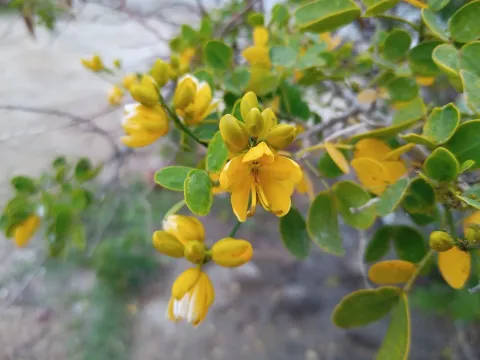
Senna bicapsularis
Senna bicapsularis
Senna bicapsularis is typically propagated through seeds or stem cuttings. It is recommended to scarify the seeds before sowing to soften the hard coat and improve germination rates.
What the section contains
Senna bicapsularis
Sowing in a greenhouse or controlled indoor environment should be done in early spring as day length increases, providing the necessary energy for seedling development.
The optimal temperature for successful germination ranges from +22 to +25 degrees Celsius, ensuring a stable environment for the young plants to establish their roots.
When transplanting into the open field, wait until all frost risks have passed, as the plant is highly susceptible to cold shocks during its early growth stages.
For cutting propagation, select healthy semi-hardwood shoots and place them in a well-draining potting mix, maintaining high humidity until rooting occurs.
Belonging to the Fabaceae family, this evergreen shrub is native to tropical regions of South America and thrives in areas with abundant direct sunlight.
The plant prefers fertile, well-draining loam soils with a neutral to slightly acidic pH, which supports robust root development and efficient nutrient uptake.
As a heat-loving plant, Senna bicapsularis requires protection from frost; in cooler climates, it is best managed as a container plant that can be moved indoors.
Regular watering is essential during the growing season, particularly when the plant is in bloom, though it is critical to prevent waterlogged soil conditions.
To encourage profuse flowering, apply a balanced fertilizer during the growing season, paying attention to micronutrients that support the health of leguminous plants.
Common pests such as aphids, spider mites, and whiteflies can be problematic, especially in sheltered greenhouse conditions where airflow is restricted.
High humidity and poor ventilation can lead to fungal issues, most notably powdery mildew, which presents as a white coating on the leaves and weakens the plant.
Root rot, often caused by overwatering or poor soil drainage, is a significant threat that can lead to rapid wilting and the loss of the entire shrub.
Preventive maintenance involves regular inspection of leaf undersides and ensuring that the shrub is planted in an area with good natural air circulation.
In cases of severe infestation or infection, targeted use of fungicides or insecticides is recommended, always following safety labels to protect local pollinators.
The primary use of Senna bicapsularis is ornamental landscaping, where it is valued for its long-lasting, vibrant yellow flowers and attractive foliage.
Seed harvesting should be performed when the pods turn brown and start to dry out, indicating that the seeds inside are fully mature and ready for collection.
This shrub serves as a vital resource for pollinators, including bees and butterflies, making it a functional addition to sustainable and ecological garden projects.
Pruning is best performed immediately after the flowering period to maintain a tidy shape, manage the size of the shrub, and promote denser growth for the next season.
Due to its rapid growth rate, the plant is widely utilized in tropical and subtropical regions for creating hedges and providing immediate visual impact in gardens.