
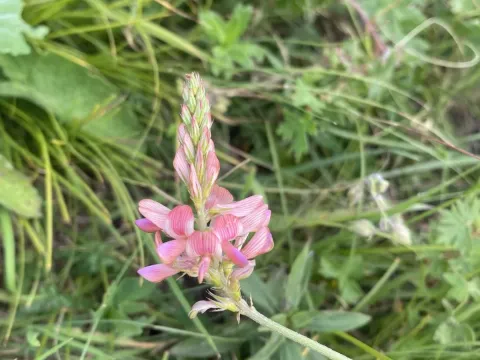
Sainfoin
Onobrychis inermis
Sainfoin (Onobrychis inermis) is a highly esteemed perennial legume known for its exceptional nutritional value and non-bloating properties for livestock. It is a deep-rooted species that excels in improving soil structure and sequestering atmospheric nitrogen, making it a sustainable choice for crop rotation.
What the section contains
Sainfoin
The optimal time for sowing is early spring as soon as the soil is workable, which allows the crop to establish a robust taproot before the onset of summer heat. In regions with milder climates, late summer sowing can also be successful provided there is sufficient soil moisture for germination.
Seeding depth is generally kept at 2–3 cm, as the seeds are relatively large and have good vigor. Using a precision seed drill is recommended to ensure uniform spacing and depth, which are essential for achieving a dense and competitive stand in the critical first year.
Seeding rates typically range from 100 to 150 kg per hectare, depending on whether the crop is intended for hay production or as part of a pasture mix. It is often established with a small-grain companion crop, which helps stabilize the field and provides early-season soil cover.
Proper seedbed preparation is vital, including firming the soil to ensure good seed-to-soil contact. Since the plant is slow to establish initially, a clean field free from heavy weed pressure is necessary for the best results.
Sainfoin is remarkably well-adapted to semi-arid climates, displaying superior drought tolerance compared to alfalfa. It thrives in regions with well-drained soils and is particularly fond of calcareous soils, which are rich in calcium carbonate.
The crop does not tolerate acidic or waterlogged soil conditions, which can lead to root rot and poor nodule development. It requires soils with good aeration and will perform best in neutral to slightly alkaline pH environments.
Light exposure is a significant factor in the success of sainfoin; it is a sun-loving plant that requires full exposure to maximize its photosynthetic potential. It should not be overshadowed by weeds or dense canopy cover during the establishment phase.
Temperature requirements are moderate, but the plant is known for its excellent winter hardiness. It can survive harsh continental winters, provided the soil drainage is sufficient to prevent ice crusting around the root crown.
Adequate levels of phosphorus and potassium are necessary to maintain healthy growth and nitrogen-fixing bacteria activity. Soil testing prior to planting is recommended to ensure that fertility levels are sufficient to support a multi-year stand.
Sainfoin provides a reliable source of high-quality forage, with yields typically ranging from 3 to 6 tons of dry matter per hectare depending on site conditions. It is prized for its high protein content and digestibility, making it an excellent feed for cattle and sheep.
Depending on local climate, sainfoin can provide one to two cuts per season, with the potential for aftermath grazing. Because it does not cause bloat in ruminants, it is considered one of the safest forage legumes available for pasture management.
The peak productivity of a sainfoin stand is usually reached in the second and third years of life. With proper management, including avoiding overgrazing and allowing for recovery periods, a productive stand can be maintained for several years.
Seed production is another viable economic use for sainfoin, as the flowers are highly attractive to bees and other pollinators. Honey produced from sainfoin is often considered a high-quality, specialty product.
To maximize yields over the lifespan of the field, it is important to prevent premature harvesting. Allowing the plant to reach the early flowering stage ensures that the root system has sufficient energy reserves for rapid regrowth after cutting.
Common diseases affecting sainfoin include powdery mildew and various root rots, which are often exacerbated by poor drainage or excessive humidity. Crop rotation is the most effective management strategy to keep disease pressure low.
Insects like the sainfoin seed chalcid can cause significant damage to seed crops, necessitating diligent monitoring. Using resistant varieties and maintaining spatial distance between fields can help mitigate pest outbreaks.
Weed management is most critical in the first year of establishment, as sainfoin is slow to develop. Mechanical weeding or the use of approved herbicides in the seedling stage can help the crop gain the competitive edge needed to dominate the field.
Overgrazing is a major threat to the longevity of a stand. Because the plant stores energy in its crown and roots, it must not be grazed or cut too short, especially in the late fall, as this will deplete reserves needed for winter survival.
Monitoring the field for signs of nutrient deficiencies or insect presence throughout the season is essential for proactive management. Early detection is the key to maintaining a healthy and profitable forage stand.
Harvesting for hay should ideally occur when 20–30% of the plants are in bloom. At this stage, the forage reaches an optimal balance between yield and protein quality, ensuring high digestibility for the animals.
Due to the high moisture content of the stems, the drying process should be accelerated by tedding or using a mower-conditioner. This minimizes the time the crop spends in the field, reducing the risk of losses due to rainfall.
For seed production, harvesting should be done when the pods turn a straw-colored brown. The pods can shatter easily, so direct combining is preferred during the early morning hours when humidity is slightly higher to prevent seed loss.
Storage of the harvested hay requires dry conditions to prevent mold and heat damage. Given the premium quality of sainfoin hay, proper bale storage is a cost-effective way to preserve its high nutritional value throughout the winter months.
Following the final cut of the season, it is beneficial to allow the crop to regrow slightly before the first frost. This final bit of green growth helps the plant store energy and strengthens the root system for the coming spring.