
Russell lupin
Lupinus russellianus
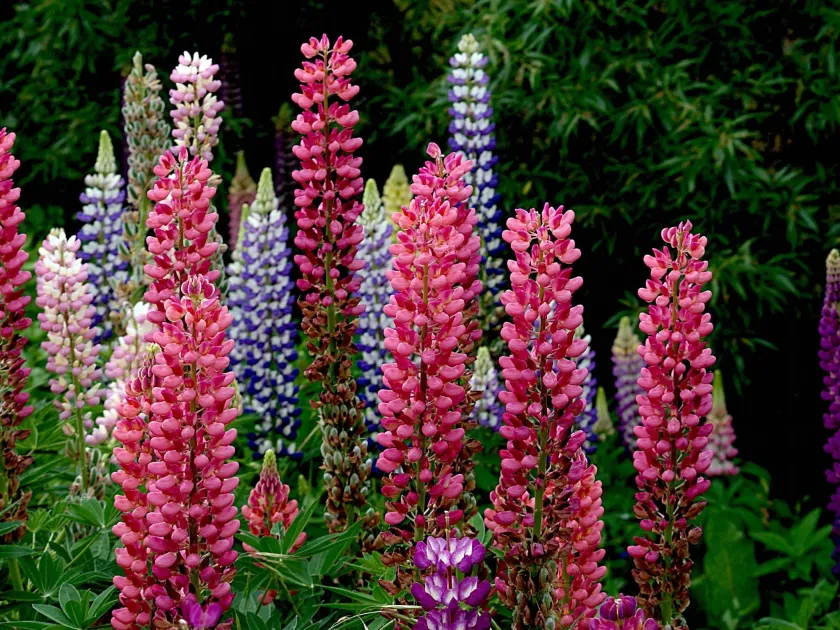
Description
Sowing dates
Sowing Russell lupin seeds is best performed in early spring once the soil temperature consistently reaches 10–12°C. For better germination rates, many agronomists suggest a pre-sowing treatment to soften the hard seed coat.
Seeds should be planted at a depth of 2–3 centimeters in well-drained, porous soil. Ensuring adequate spacing is critical; plants should be kept 30–40 centimeters apart to prevent overcrowding and allow for healthy air circulation.
Germination typically occurs within three weeks. During this early growth phase, seedlings require consistent soil moisture and protection from aggressive weed species that might compete for sunlight and nutrients.
The use of peat-based containers for greenhouse starts is an effective strategy for commercial growers. This method protects the delicate taproot system, which is susceptible to damage during transplanting into the open field.
Rotation strategies are vital when growing this crop. As a member of the legume family, Russell lupin enriches the soil with nitrogen, making it an excellent precursor for subsequent crops that demand high fertility.
Growing requirements
Russell lupin is a herbaceous perennial belonging to the Fabaceae family, originating from a breeding program that combined several lupin species to create vibrant, tall floral spikes. It possesses a deep taproot, allowing it to access water from lower soil levels.
The crop prefers slightly acidic to neutral soils. Excessive alkalinity can induce iron chlorosis, a condition where leaves turn yellow, which significantly stunts plant growth and limits the success of the flowering process.
The plant demonstrates excellent hardiness against cold temperatures. While it thrives in temperate climates with ample sunlight, it is also adaptable to various light exposures, provided it receives at least six hours of direct sun daily.
Standard agronomic practices include regular cultivation of the inter-row space to maintain aeration. While the plant is somewhat drought-tolerant once established, supplemental irrigation is recommended during periods of intense flowering.
Economically, the Russell lupin is utilized extensively in landscaping and as a sustainable soil conditioner. Its ability to host nitrogen-fixing bacteria makes it a biological tool for increasing agricultural land sustainability.
Main diseases and pests
Anthracnose is the most significant disease affecting this species. It appears as dark, sunken lesions on the stems and leaves, often leading to rapid collapse of the plant during periods of high humidity.
Powdery mildew represents another common challenge. This fungal infection forms a white, powdery layer on foliage, which inhibits photosynthesis and weakens the overall vitality of the Russell lupin.
Insect pests, such as aphids, frequently target the succulent parts of the plant, including developing buds. Their feeding can transmit viral diseases, adding a layer of complexity to crop protection efforts.
Integrated pest management (IPM) is highly effective for this crop. This involves a combination of removing infected debris, applying targeted fungicides, and utilizing biological control agents to manage aphid populations.
Maintaining strict phytosanitary measures is necessary to avoid the spread of soil-borne pathogens. Monitoring the health of the plants throughout the vegetative phase is key to maximizing plant longevity and beauty.