
Salt tree
Halimodendron
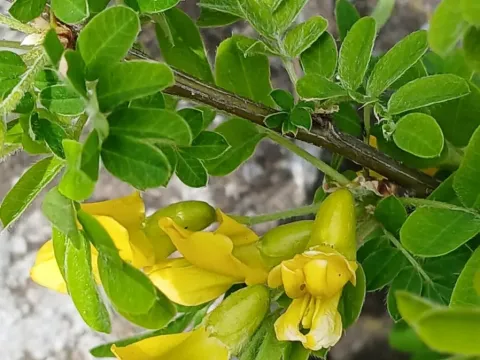
The salt tree (Halimodendron) is a deciduous shrub from the Fabaceae family, recognized for its exceptional resilience in harsh environmental conditions. Native to the arid regions of Central Asia and parts of Russia, it thrives where most other plant species fail to establish.
What the section contains

Salt tree
Botanically, the plant is characterized by its spines, silvery-green foliage, and attractive purple-pink flowers. These features are typical adaptations to dry climates, helping the shrub minimize water loss while ensuring reproductive success through effective pollination during the short growing season.
The plant is highly valued for its ability to flourish in saline soils and alkali conditions. Its deep and extensive root system allows it to access groundwater and stabilize sandy or unstable soils, playing a crucial role in land reclamation and prevention of soil erosion.
Regarding climatic requirements, the salt tree is a full-sun species. It is extremely tolerant to intense heat, prolonged drought, and freezing winter temperatures, making it a versatile choice for planting in continental climates with extreme seasonal variations.
Agricultural and commercial use of the salt tree is mainly centered on environmental protection. It is widely used to create windbreaks, reclaim salt-affected land, and restore degraded ecosystems in arid zones, providing significant ecological benefits for local agriculture.
The salt tree is susceptible to several fungal diseases, particularly when planted in areas with poor drainage or excessive humidity. Root rot is a common issue that can cause significant damage if the soil remains waterlogged for extended periods during the growing season.
Pest pressures primarily include aphids and various leaf-chewing insects that may target young, succulent shoots. These infestations can affect the overall health and ornamental value of the plant if not managed promptly during the spring months.
Disease prevention strategies focus on maintaining optimal soil conditions and ensuring proper spacing between individual shrubs. Good air circulation is critical for minimizing the risk of powdery mildew and other pathogens that thrive in dense, poorly ventilated canopy environments.
Sanitation practices, such as the removal of dead or diseased branches, are vital for maintaining plant vigor. Pruning should be conducted carefully to promote healthy airflow and reduce the potential for fungal spore spread throughout the plantation.
Chemical control measures should be applied selectively, prioritizing ecological safety for the surrounding ecosystem. Using integrated pest management techniques helps control populations of damaging insects while preserving the beneficial fauna that supports the overall stability of the planted area.