
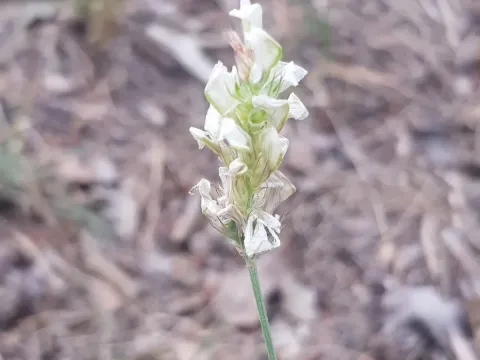
White sainfoin
Onobrychis alba
White sainfoin (Onobrychis alba) belongs to the Fabaceae family and is recognized for its ability to thrive in challenging soil conditions. The best time for sowing is early spring when the soil starts to warm, ensuring optimal germination and initial establishment of the root system.
What the section contains
White sainfoin
Seeds should be sown at a depth of 2 to 4 centimeters. Shallow sowing is preferred in heavy clay soils to ensure the seedlings emerge quickly, while slightly deeper sowing is acceptable in lighter, sandy soils to maintain sufficient moisture contact.
For uniform establishment, it is essential to roll the field immediately after planting. This process creates a firm seedbed, which is critical for promoting capillary action and ensuring that seeds have sufficient moisture to germinate evenly.
The standard seeding rate varies, generally ranging from 80 to 120 kilograms per hectare depending on the seed quality and soil fertility. Higher rates may be required if the seeds are sown in less optimal conditions to ensure a dense stand.
Row spacing is typically set at 15 centimeters. This layout allows for easier management and weed control during the establishment year, as the crop typically exhibits slow initial growth during its first few months.
White sainfoin prefers sunny and well-ventilated areas. It is highly sensitive to shading, so it should not be planted as an under-sown crop with tall cereals. The plant thrives in open fields where it can maximize its photosynthetic potential.
This crop is exceptionally well-adapted to poor, calcareous, and stony soils. Its deep taproot system allows it to reach water and minerals in soil profiles that would be unsuitable for other common forage legumes like alfalfa or clover.
The ideal soil pH is neutral to slightly alkaline. Acidic soils can significantly inhibit the development of nitrogen-fixing nodules on the roots, which will ultimately stunt growth and reduce the plant's forage quality and yield potential.
One of the key characteristics of white sainfoin is its extreme drought tolerance. It is capable of enduring long periods without rain, making it an excellent choice for dryland farming systems where irrigation is not feasible.
While tolerant of drought, the plant is intolerant to waterlogging. Poorly drained soils that remain wet for extended periods can cause root rot and lead to rapid thinning of the stand. Choosing well-drained, slope-oriented fields is highly recommended.
White sainfoin provides high-quality forage rich in protein, minerals, and carbohydrates. It is a preferred feed for livestock because it is non-bloating, which makes it safer to graze compared to other high-protein legumes.
Beyond its utility as a forage crop, white sainfoin is a superior honey plant. Its nectar production is high, and the quality of honey produced from sainfoin is considered excellent, making it a valuable addition to agricultural landscapes for beekeepers.
In terms of soil improvement, the plant is highly beneficial. Its deep root system improves soil structure, while the nitrogen-fixing bacteria attached to the roots enrich the soil for subsequent crops in the rotation cycle.
The annual yield of hay can range between 4 to 6 tons per hectare under favorable moisture conditions. It typically provides one or two cuts per year, depending on the region's climate and the frequency of rainfall.
Seed yield is also an important economic output. Under proper management and favorable weather during the flowering stage, seed production can reach 500 to 900 kilograms per hectare, providing additional value to the farmer.
White sainfoin is relatively robust but can be susceptible to specific pests such as seed chalcids and various weevils that target both the foliage and the reproductive organs, potentially reducing both forage and seed yields.
Fungal diseases like powdery mildew and various leaf spots may occur in environments with high humidity or poor air circulation. These diseases primarily impact the aesthetics and the feed quality of the foliage.
- Root rot caused by stagnant water conditions
- Powdery mildew affecting leaves during warm, humid weather
- Sainfoin seed chalcid destroying developing seeds
- Leaf-eating weevils damaging young seedling foliage
Effective management includes implementing a diverse crop rotation strategy, ensuring the crop does not return to the same field for at least five years. This break helps reduce the accumulation of soil-borne pathogens and pests.
Integrated pest management, including monitoring populations during the flowering stage and using resistant cultivars, remains the most effective way to protect the crop without relying excessively on chemical interventions.
For the best nutritional value, sainfoin should be harvested at the early flowering stage. Delaying harvest results in the hardening of the stems, which decreases digestibility and lowers the overall protein content of the forage.
When harvesting for hay, it is crucial to handle the crop gently during the drying process. The leaves, which contain the highest nutrient density, tend to shatter if handled too aggressively once the moisture level drops below 15%.
Seed harvesting should be performed when the majority of the pods have matured and turned color. Direct combining or windrowing followed by threshing is common, depending on the specific machinery available and the humidity levels.
After threshing, seeds must be cleaned immediately to remove green plant debris. This prevents moisture accumulation and potential heating, which could lead to spoilage and a significant loss in seed germination capacity.
Autumn harvest and grazing should be managed carefully. Plants need to accumulate sufficient carbohydrate reserves in their roots before the first frost, so avoiding late-season grazing is essential for ensuring successful overwintering.