
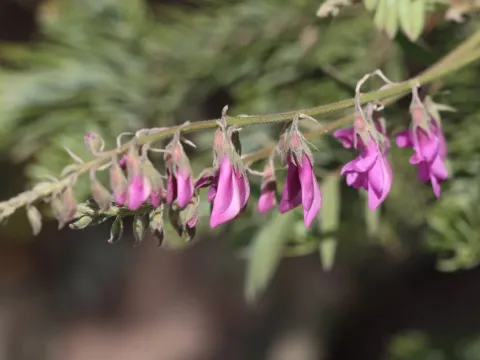
Western sweetvetch
Hedysarum occidentale
Western sweetvetch (Hedysarum occidentale) is a perennial herbaceous plant belonging to the legume family (Fabaceae). It is recognized for its significant adaptability to harsh mountain environments and its role as a high-quality forage resource in northern agricultural systems.
What the section contains
Western sweetvetch
The native range of this species is primarily within the mountainous regions of North America. The plant is botanically characterized by its deep taproot system and compound leaves, which allow it to thrive in nutrient-poor environments while contributing to soil health through biological nitrogen fixation.
This crop requires well-drained, neutral to slightly alkaline soils to achieve optimal growth. It is exceptionally tolerant of cold temperatures and demonstrates significant resilience during late-spring frosts, making it a reliable choice for high-altitude or northern agricultural zones.
Agricultural management involves ensuring the crop is established in an area with sufficient sunlight, as shading significantly reduces biomass productivity. While the plant is drought-tolerant, supplemental irrigation during the initial germination phase can greatly improve establishment density.
In terms of agricultural utility, Western sweetvetch is valued for its nutritional profile. It serves as an excellent source of protein and essential minerals for livestock, providing high-quality grazing material or hay that remains palatable throughout the growing season.
Like other legumes, Western sweetvetch is susceptible to several fungal diseases, particularly when planted in regions with high humidity. Powdery mildew is a common foliage disease that can reduce the overall quality and nutritional value of the harvested fodder.
Root rot pathogens, such as Fusarium or Pythium species, represent a major threat when soil drainage is insufficient. These pathogens thrive in waterlogged conditions and can cause significant stand thinning, which necessitates proper site selection and soil preparation.
Insect pests can pose a challenge to stand longevity, with weevils being the most problematic. These insects primarily damage the root nodules, which can directly impair the nitrogen-fixing capabilities of the plant and result in yellowing and stunted growth.
Integrated pest management (IPM) strategies are essential for maintaining the health of sweetvetch stands. This includes the use of certified, disease-free seed, as well as the implementation of crop rotation cycles to disrupt the life cycles of common pests and pathogens.
Monitoring the fields for signs of stress is crucial for successful cultivation. By identifying disease outbreaks or pest infestations early, producers can apply targeted interventions that preserve the stand's health and ensure consistent forage yields for future seasons.