
Mucuna flagellipes
Mucuna flagellipes
Mucuna flagellipes is a vigorous perennial climbing vine belonging to the Fabaceae family, recognized for its aggressive growth habit and ability to colonize large areas in tropical environments.
What the section contains
Mucuna flagellipes
Originating in the tropical forests of Africa, the plant thrives in hot and humid climates, requiring consistent temperatures throughout the year to maintain its rapid vegetative development.
The ideal soil conditions for this species are well-drained, fertile loams with a high concentration of organic matter, which supports the symbiotic relationship with nitrogen-fixing bacteria.
Proper agricultural practice requires selecting a site with high sun exposure, as Mucuna flagellipes is a heliophilous plant that needs significant light to achieve its maximum biomass potential.
Regarding climate, the plant is extremely frost-sensitive and cannot survive temperatures near freezing; therefore, it is strictly confined to frost-free tropical or subtropical agro-ecological zones.
The primary economic value of Mucuna flagellipes lies in its role as a green manure and cover crop, significantly enhancing soil structure and fertility through nitrogen fixation.
The plant is highly effective at weed suppression, creating a dense canopy that shades the ground and prevents the germination of unwanted vegetation in plantation alleys.
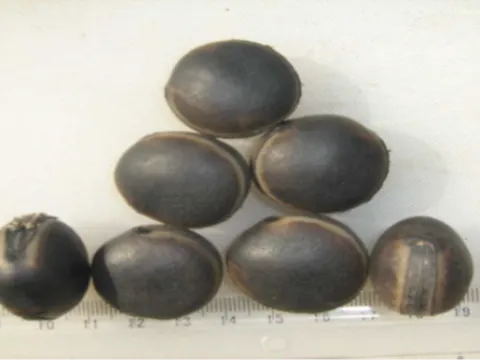
Seeds of this species are studied as a potential source of plant-based protein, although proper processing techniques are mandatory to remove anti-nutritional compounds present in the raw beans.
In traditional practices, specific parts of the plant may be used for medicinal purposes due to the presence of secondary metabolites with potential therapeutic properties.
The overall yield is influenced by the availability of vertical supports, which significantly enhance seed production compared to plants grown as ground-level cover.
Fungal pathogens remain the most significant threat to the cultivation of Mucuna flagellipes, especially in conditions of high humidity, poor aeration, and waterlogged soil.
Various insect pests, including leaf-eating caterpillars and aphids, can cause significant damage to the plant's foliage if not managed with integrated pest control strategies.
Root-knot nematodes pose a risk in sandy soil types, potentially stunting growth and reducing the efficiency of nitrogen-fixing nodules on the root system.
To mitigate these threats, farmers are advised to practice crop rotation and ensure that plant density allows for sufficient airflow, reducing the risk of humidity-related rot.
Early detection of signs of disease, such as leaf discoloration or wilt, is essential for maintaining a healthy stand and ensuring high biomass and seed quality at harvest.