
Mountain sainfoin
Onobrychis montana
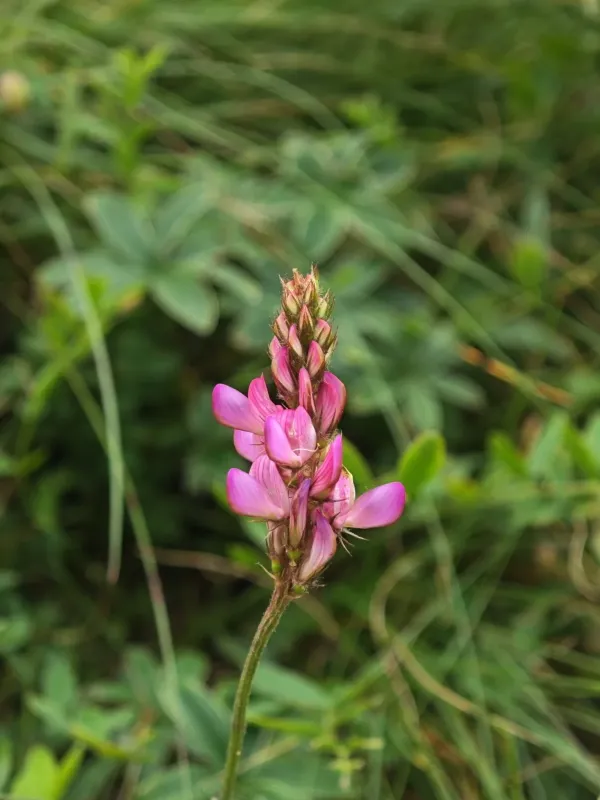
Description
Growing requirements
Mountain sainfoin (Onobrychis montana) is a perennial legume species belonging to the Fabaceae family. It is distinctively adapted to high-altitude environments and rocky soil substrates, reflecting its evolutionary origin in mountainous regions.
This crop is highly valued for its drought resistance and hardiness in alpine climates. Its deep taproot system allows it to extract water and nutrients from deeper soil layers, making it exceptionally stable in arid conditions.
Optimal growth requires well-drained, alkaline or calcareous soils. Mountain sainfoin performs poorly in acidic or waterlogged environments, which makes site selection a critical step for successful establishment.
Agronomic management focuses on careful seedbed preparation and weed control during the seedling stage. Once established, the crop is highly competitive and can persist for several years in a field.
The primary economic use is for high-quality hay production and as a vital component for pollinators, as the plant is a prolific nectar producer during the blooming season.
Main diseases and pests
Fungal diseases, including powdery mildew and leaf spot pathogens, represent a common threat to plant health, especially during seasons with high humidity and limited airflow.
Insect pests, such as the sainfoin seed chalcid and various root-feeding beetles, can jeopardize both forage yield and seed multiplication potential.
Integrated pest management strategies are recommended, including the use of certified seed and maintaining a balanced ecosystem to support natural pest predators.
Field scouting during the vegetative stage is essential to monitor for early signs of infestations and implement targeted control measures if necessary.
Overall, maintaining strong plant vigor through proper fertilization and avoiding overgrazing can significantly reduce the vulnerability of the crop to major diseases.