
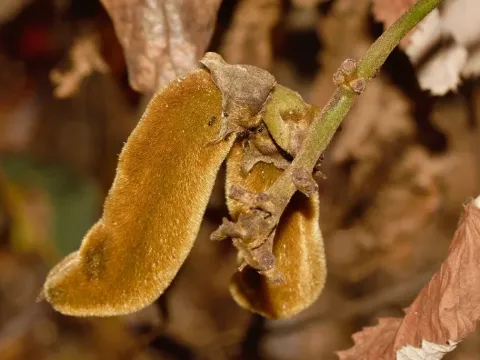
Mucuna coriacea
Mucuna coriacea
Mucuna coriacea is a tropical legume, so planting schedules must align with the onset of high air and soil temperatures. The optimal time for sowing is the beginning of the rainy season, as the soil provides the necessary moisture for intensive seed germination.
What the section contains
Mucuna coriacea
In regions with distinct seasons, sowing should take place after the risk of late frost has passed, as the plant is highly sensitive to cold during the early stages of growth. A temperature of at least 20–25 degrees Celsius is required for successful planting.
Seed depth varies from 3 to 5 centimeters depending on soil texture and moisture content. It is essential to maintain sufficient row spacing during sowing, as the plant exhibits a vigorous vining growth habit that quickly occupies space.
Mucuna seeds have high germination energy, though calibration is recommended for large-scale operations to ensure uniformity. Treating seeds with specific inoculants can significantly boost nodule formation, enhancing the plant's natural nitrogen-fixing capabilities.
In intensive farming systems, this crop is often intercropped, functioning as a valuable component in agroforestry or permaculture designs. It forms a dense canopy that suppresses weed growth and prevents soil erosion during heavy rains.
Belonging to the Fabaceae family, this plant is highly valued for its adaptability to various tropical soil types. While Mucuna coriacea prefers well-drained loams, it thrives in poorer, sandy soils provided there is adequate rainfall during the growing cycle.
The crop requires high levels of solar radiation, as it is a typical sun-loving plant of tropical open spaces. Under shaded conditions, vegetative development is hindered, and flowering may be delayed or entirely prevented, affecting the overall productivity.
The optimal soil pH for successful cultivation ranges from 5.5 to 7.0. While the plant shows moderate resistance to short-term waterlogging, prolonged stagnant water in the root zone can lead to root rot and eventual plant failure.
Humidity and moisture are critical drivers of growth. Although mature plants can withstand brief dry spells, consistent rainfall or irrigation is necessary to achieve maximum biomass production throughout the vegetative stage.
Mucuna coriacea actively enriches the soil with nitrogen, making it a cornerstone of sustainable crop rotation in tropical agriculture. Its deep, robust root system helps improve soil structure, increasing aeration and water infiltration over time.
The primary agricultural objective for this crop is the production of green biomass for green manure or livestock forage. Biomass yields can reach significant levels with proper management and favorable climate conditions throughout the growing period.
When used as a green manure crop, the timing of incorporation is critical; it should be cut at the beginning of the flowering stage. This maximizes biomass accumulation while maintaining an optimal carbon-to-nitrogen ratio for rapid decomposition.
If cultivated for seed production, yields are dependent on the length of the growing season and the presence of pollinators. The maturation cycle of the pods can extend over several months, requiring patience for the seeds to fully develop.
Total seed yield is determined by planting density and the number of productive nodes per vine. Modern agronomic practices allow for stable grain yields through the selection of appropriate varieties and precise water management during the reproductive phase.
Economic efficiency is enhanced when the crop is integrated into livestock systems, where the green mass serves as a high-protein supplement. Nutritional quality is preserved through proper drying and storage techniques for the hay.
Like many legumes, Mucuna coriacea is susceptible to fungal diseases, especially in high-humidity or poorly ventilated environments. Anthracnose and various types of root rot are among the primary threats that can devastate a plantation.
Pests, including armyworms, aphids, and weevils, can cause substantial damage to young shoots and floral buds. Regular scouting and monitoring at the seedling stage allow for timely implementation of biological or chemical control measures.
Soil-borne nematodes can attack the root system, impairing the plant's ability to fix nitrogen and absorb nutrients. Crop rotation with non-host species is an effective preventive strategy to manage nematode populations in the soil.
Bacterial infections may manifest as leaf spots, necessitating the use of clean, disease-free seed stock and the prompt removal of infected plant debris. Integrated pest management (IPM) is crucial to minimizing potential harvest losses.
Weeds provide the most competition during the early establishment phase. Once the plant forms a thick canopy, it effectively outcompetes most weeds, significantly reducing the need for herbicide application during the later stages of growth.
Green manure harvesting involves cutting or shredding the stems and incorporating them into the topsoil. This process is most effective when performed before the stems become too lignified, which ensures faster nutrient release into the soil profile.
For forage production, mechanical harvesting followed by drying is standard. It is vital to manage moisture levels during the wilting and drying process to prevent mold formation and preserve the nutritional integrity of the legume.
Seed harvesting requires careful timing, as pods may shatter if left to dry completely on the vine. Harvesting should commence when the majority of the pods have darkened but before they begin to crack and drop their seeds naturally.
Post-harvest processing includes cleaning the seeds to remove debris and drying them in shaded, well-ventilated areas. Protecting the seeds from direct sunlight is essential to maintaining high viability for future planting seasons.
Storage should take place in dry, cool facilities protected from pests. With proper warehouse management, Mucuna seeds can retain their germination capacity for two or more years without significant loss in quality.