
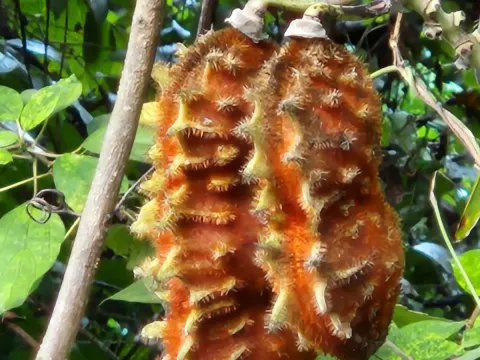
Mucuna mutisiana
Mucuna mutisiana
Sowing Mucuna mutisiana is typically initiated at the beginning of the rainy season when soil moisture and temperature are sufficient for rapid germination. Seeds should be planted at a depth of 3–5 cm to ensure good contact with moist soil.
What the section contains
Mucuna mutisiana
The recommended planting density involves rows spaced 60 to 90 cm apart, allowing the vigorous climbing vine enough space to cover the ground effectively. This density helps in suppressing weeds during the early establishment phase.
Using high-quality seeds with high germination energy is crucial for success. In some regions, pre-planting seed treatment is recommended to improve the uniformity of sprout emergence across the field.
As a fast-growing tropical legume, the crop establishes itself quickly, dominating the space and protecting the soil from surface runoff. Proper spacing is essential to prevent excessive competition between the plants themselves.
The ideal temperature range for successful growth is between +25 °C and +30 °C. Lower temperatures tend to significantly delay development, making precise timing of the sowing date a critical factor for farmers.
Mucuna mutisiana belongs to the Fabaceae family and is highly valued for its exceptional nitrogen-fixing capability. By hosting symbiotic bacteria, it converts atmospheric nitrogen into a form available for plant nutrition.
The crop thrives in well-drained loamy or sandy soils with a neutral or slightly acidic pH. While it is tolerant of low-fertility soils, providing basic nutrients during the early stages can significantly enhance overall biomass yield.
Moisture availability is critical during the active vegetative growth phase. Although the plant shows moderate drought tolerance, sustained water deficit can lead to a reduction in the volume of green matter produced.
Full sun exposure is preferred for optimal photosynthesis, although the plant has some tolerance for partial shade. In agroforestry settings, it often serves as a beneficial understory or ground cover crop.
One of the primary benefits is its ability to prevent soil erosion. The thick layer of foliage acts as a natural barrier against heavy tropical rains, preserving the structure and health of the topsoil.
The green biomass yield of Mucuna mutisiana is impressive, often reaching significant volumes per hectare under favorable tropical conditions. It serves as an excellent source of organic matter for soil improvement.
Seed yield depends on the length of the growing season and the timing of the final harvest. Proper management during the flowering phase is necessary to ensure maximum seed pod production and quality.
As a high-protein forage option, the plant is increasingly used to supplement animal diets. Proper processing is required to remove anti-nutritional factors sometimes present in mature legumes.
Integrating this crop into a rotation system can substantially improve the yields of subsequent crops. This long-term increase in soil fertility is a key economic benefit for sustainable farming operations.
Farmers focused on seed production should prioritize timely harvest to avoid yield losses. Monitoring the pods for signs of maturity is the best way to determine the optimal moment to begin the harvest.
Root rot is the most common threat, especially in areas with poor drainage or persistent waterlogging. Ensuring the field is properly leveled and drained is the most effective preventative measure.
Pests such as leaf-eating caterpillars or weevils can occasionally cause damage to the foliage. However, the plant's rapid regrowth rate often allows it to recover without the need for intensive chemical intervention.
Fungal diseases tend to flourish in conditions of high humidity combined with poor air circulation. Thinning the planting density can help improve airflow and minimize the risk of spreading fungal infections.
Nematodes may become an issue if the crop is grown continuously on the same land. Implementing a diverse crop rotation is a proven strategy to break the life cycle of these soil-borne pests.
Weeds are generally not a major concern once the Mucuna vine is established, as its aggressive growth habit naturally outcompetes most weeds. Early-stage weed control is typically sufficient.
Harvesting green manure is usually performed just before the onset of heavy seed production, when the nutrient concentration in the stems and leaves is at its peak. This maximizes the nitrogen contribution to the soil.
Seed harvesting should occur when the pods turn dry and mature to avoid pre-harvest losses. Manual harvesting or adapted mechanized equipment can be used to gather the pods efficiently from the climbing vines.
Post-harvest processing involves threshing and cleaning the seeds to remove debris. Drying the seeds thoroughly is an absolute requirement to maintain seed viability and prevent fungal growth during storage.
Storing seeds in a cool, dry, and ventilated environment is essential for long-term shelf life. Proper storage facilities protect the seed quality for the next planting season.
Any remaining vegetation after the seed harvest can be used as high-quality mulch. This recycled organic material provides long-term benefits to soil structure and moisture retention across the field.