
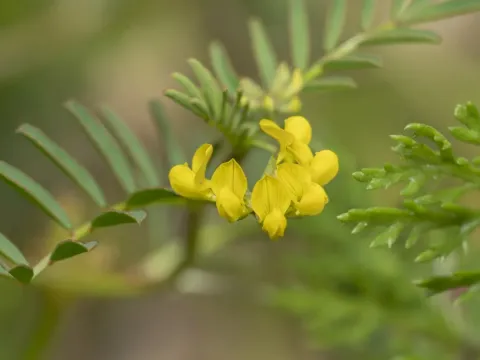
Horseshoe vetch
Hippocrepis
Sowing of Hippocrepis is generally planned for the spring season when soil temperatures reach 10–12 degrees Celsius. Earlier sowing dates are preferred in southern latitudes to capitalize on moisture.
What the section contains
 Hippocrepis areolata
Hippocrepis areolata
Hippocrepis areolata
 Hippocrepis balearica
Hippocrepis balearica
Hippocrepis balearica
 Hippocrepis biflora
Hippocrepis biflora
Hippocrepis biflora
 Hippocrepis ciliata
Hippocrepis ciliata
Hippocrepis ciliata
 Hippocrepis constricta
Hippocrepis constricta
Hippocrepis constricta
 Hippocrepis glauca
Hippocrepis glauca
Hippocrepis glauca
 Hippocrepis multisiliquosa
Hippocrepis multisiliquosa
Hippocrepis multisiliquosa
 Hippocrepis valentina
Hippocrepis valentina
Hippocrepis valentina
 Horseshoe vetch
Hippocrepis comosa
Horseshoe vetch
Hippocrepis comosa
 Horseshoe vetch
Hippocrepis unisiliquosa
Horseshoe vetch
Hippocrepis unisiliquosa
 Horseshoe vetch
Hippocrepis scorpioides
Horseshoe vetch
Hippocrepis scorpioides
 Scorpion senna
Hippocrepis emerus
Scorpion senna
Hippocrepis emerus
Horseshoe vetch
Seed preparation involves mandatory scarification, as the hard seed coat can significantly delay germination. The ideal sowing depth is shallow, ranging from 1.5 to 2 centimeters.
The crop is characterized by slow development during the initial growth stage. Therefore, effective weed control in the first few weeks is critical for ensuring a successful stand establishment.
Seeding density is determined by the intended use of the crop, whether for pasture, hay production, or seed multiplication. Row spacing typically ranges from 20 to 30 centimeters.
The plant demonstrates excellent regenerative capacity after mowing or grazing, which allows for multiple harvests per season under optimal climatic conditions.
Hippocrepis prefers sunny, open environments as it is highly photophilous. Shaded conditions lead to weak stems and a significant reduction in overall dry matter biomass.
The crop thrives best on calcareous, loamy, and moderately moist soils that provide good aeration. It is well-adapted to alkaline soil conditions, which support its growth.
One of the key agronomic advantages is the plant's high drought tolerance. This trait makes it an ideal candidate for reclaiming dry pastures and poor-quality agricultural lands.
The soil reaction should ideally be neutral or slightly alkaline. High soil acidity can inhibit the activity of nitrogen-fixing bacteria, reducing the plant's ability to enrich the soil.
As a member of the Fabaceae family, the plant plays an essential role in improving soil fertility through symbiotic nitrogen fixation, making it a valuable rotation crop.
The yield of green mass depends heavily on the botanical composition of the pasture and the frequency of management interventions. Irrigation significantly boosts output in arid climates.
The primary harvest for hay should be timed with the full flowering stage, as this represents the peak nutritional value, balancing protein content and essential fiber levels.
Subsequent cuts can be achieved if adequate moisture is available. A recovery interval of 30–40 days between harvests is necessary to ensure the longevity of the plant stand.
When used in livestock grazing systems, Hippocrepis shows remarkable resistance to trampling and grazing pressure, maintaining productivity over many years without frequent replanting.
Seed yield varies depending on weather conditions during the pollination phase. Specialized agronomic care is required to produce high-quality seed lots for commercial distribution.
Common pests include various species of weevils and aphids that target the reproductive structures and tender foliage. Crop rotation remains the most effective preventive strategy.
Fungal diseases such as leaf spots and rust are prevalent in high-humidity environments. These issues are often exacerbated by poor air circulation in dense crop stands.
Root rot can occur in waterlogged soils, leading to thinning of the stand. It is crucial to ensure adequate soil drainage before selecting a site for cultivation.
Integrated pest management, including biological controls, is highly recommended to protect the quality of the forage while maintaining ecological safety for grazing animals.
Regular field scouting during the active growth season is essential to identify early symptoms of disease or pest infestation, allowing for prompt and targeted management actions.
Hay harvest should be conducted during the peak flowering phase to ensure optimal nutrient quality. Care must be taken to minimize mechanical damage to the delicate leaf blades.
The recommended mowing height is 5–7 centimeters to promote rapid regrowth from the plant base. Using specialized hay-making machinery can significantly reduce leaf loss.
Seed harvesting should be timed carefully when the pods turn brownish but before they begin to shatter, preventing significant yield losses in the field due to natural dehiscence.
Post-harvest, the biomass should be dried quickly in swaths to prevent mold development. Forced air ventilation can be utilized to improve drying efficiency in humid weather.
Proper seed storage requires cool, dry conditions with constant air exchange to maintain high germination rates for future planting seasons and ensure long-term viability.