
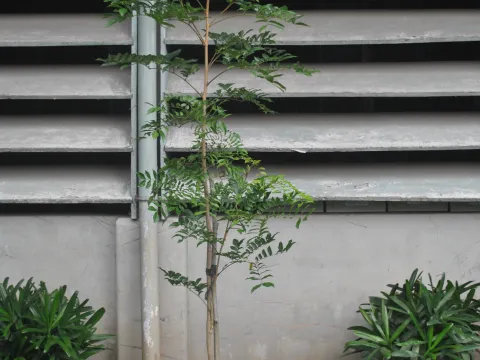
Wallaceodendron
Wallaceodendron
Wallaceodendron is a genus of monotypic evergreen trees belonging to the Fabaceae family. The only representative of the species, Wallaceodendron celebicum, is a valuable component of the tropical rainforests of Southeast Asia.
What the section contains

Wallaceodendron
The plant originates from the Philippine Islands and Sulawesi (Indonesia), where it prefers humid tropical lowlands. In its natural habitat, the tree reaches a height of 20–30 meters and has a characteristic spreading crown.
Successful cultivation requires stable high temperatures and high air humidity, typical of the equatorial climate. The tree does not tolerate prolonged drought periods or sharp temperature fluctuations well.
Soil preferences include deep, well-drained, fertile soils. The best growth indicators are observed in alluvial soils rich in organic matter, with a neutral to slightly acidic pH level.
The economic use of the species is focused on forestry, where Wallaceodendron is valued for its dense, high-quality timber used in construction and furniture manufacturing.
The main threats to plantations are specific fungal infections that develop in conditions of stagnant moisture around the root collar. Regular monitoring of the bark condition helps prevent the development of rot processes.
In its natural habitat, the tree is susceptible to damage by wood-boring insects, which can penetrate the trunk if the bark is mechanically damaged. It is important to exercise caution during care to avoid damaging the trunk's integrity.
Excessive activity of phytophages during the peak sap flow period can slow down biomass accumulation. The use of biological plant protection methods is preferred to maintain the ecological balance of the plantations.
In addition to biological pests, a serious threat is posed by the human factor—uncontrolled logging, leading to a reduction in the species' range. In agroforestry, strict control of planting density is required to prevent the spread of diseases.
Disease prevention includes sanitary pruning of affected branches and maintaining optimal sanitary conditions around the base of the tree. A healthy tree has high resistance to local pathogens when appropriate agrotechnical practices are followed.