
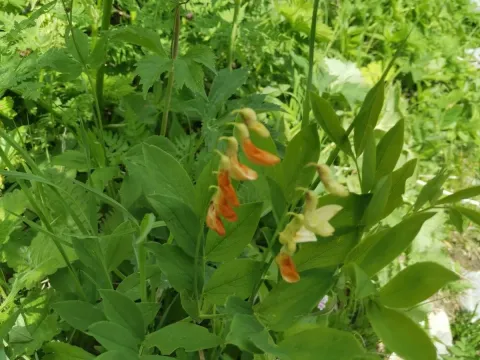
Subalpine vetchling
Lathyrus subalpinus
The subalpine vetchling (Lathyrus subalpinus) is a perennial herbaceous plant belonging to the Fabaceae family. It is recognized as a high-quality forage plant with significant nutritional value, specifically adapted to temperate and mountainous ecosystems.
What the section contains
Subalpine vetchling
Originating from mountain regions of Eurasia, this species has evolved to withstand significant temperature fluctuations and irregular moisture levels. It typically thrives in open meadows and forest edges, indicating a preference for stable ecological niches.
Successful cultivation requires well-drained, fertile soil, typically loamy or sandy-loam types with a neutral to slightly acidic pH. Poor drainage and compacted soil conditions are detrimental to the plant's health, making site selection a critical agronomic decision.
The plant demonstrates a strong preference for sunlight and is not suited for highly shaded areas. Adequate light exposure is essential for the plant to achieve its maximum biomass production and to ensure successful flowering and seed setting.
In agricultural practice, Lathyrus subalpinus is valued for its ability to improve soil nitrogen levels through symbiotic bacteria association. It is often utilized in pasture and hay mixtures to improve the quality of forage for livestock in upland environments.
Powdery mildew is the most common disease affecting this species, particularly under conditions of high atmospheric humidity. Maintaining proper spacing between plants to ensure good airflow is a standard preventive measure against fungal spread.
Root rot often occurs in fields with poor drainage or excessive water retention. Implementing proper agricultural practices, such as choosing well-drained slopes and ensuring adequate field preparation, significantly reduces the risk of root-related failures.
Various weevil species can pose a threat to seedlings, as they consume early foliage and can significantly stunt growth. Regular scouting of the fields during early development stages is essential for effective pest management and early detection.
Aphid infestations are frequently observed on younger shoots, which can sap plant energy and stunt development. Integrated pest management strategies are advised to minimize damage while maintaining the safety of the surrounding meadow ecosystem.
Viral diseases transmitted by insect vectors can also impact the long-term vitality of the stand. Using high-quality, certified seeds and avoiding the rotation of this crop with other highly susceptible leguminous species helps mitigate the spread of pathogens.