
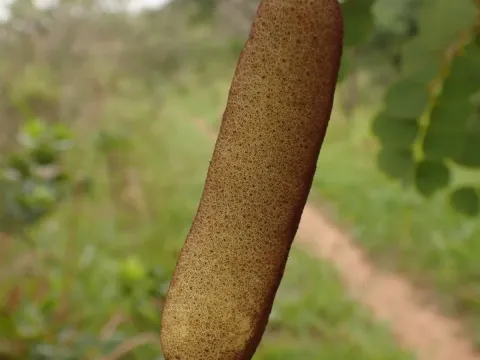
Stryphnodendron
Stryphnodendron
Stryphnodendron is a genus of trees belonging to the Fabaceae family, native primarily to the tropical regions of South America, including the Brazilian cerrado.
What the section contains


Stryphnodendron
The plant thrives in well-drained, acidic to neutral soils and has developed a high tolerance for the periodic droughts characteristic of its native habitat.
Stryphnodendron requires ample solar exposure for vigorous growth, as it is a heliophilous species that performs best under full sunlight conditions.
Temperature requirements are strictly tropical, as the tree is sensitive to cold stress and frost, which can cause severe damage to its canopy and photosynthetic activity.
Agricultural management requires careful moisture control, particularly during the establishment phase, to prevent root rot associated with waterlogged soil conditions.
The primary economic output of Stryphnodendron is its bark, which is a significant source of high-quality tannins widely used in the industrial tanning of leather.
Sustainable yield planning is essential, as the accumulation of secondary metabolites in the bark is age-dependent and requires maturity for commercial extraction.
Beyond leather production, the plant is highly valued in ethnomedicine and pharmacology for its potent astringent, antiseptic, and anti-inflammatory properties.
Plantation productivity is influenced by soil nutrient availability and the specific climatic conditions of the cultivation site, affecting the concentration of active compounds.
Consistent harvesting techniques must be applied to ensure long-term viability of the plantations while maintaining high quality standards for the raw botanical extract.
The primary threats to Stryphnodendron health include fungal pathogens that target the root system, often exacerbated by poor drainage on agricultural sites.
Various insect pests, including wood-boring beetles and leaf-chewing larvae, pose significant risks to both nursery stock and mature, standing timber.
Invasive weed species compete intensely with young trees for sunlight, water, and soil nutrients, potentially stunting growth if not managed through proper weeding.
Over-exploitation of natural populations and habitat loss remain critical concerns for the genetic preservation and continued availability of wild-grown specimens.
Disease management strategies rely on integrated pest management (IPM) practices, emphasizing canopy ventilation and the maintenance of soil health to resist infections.