
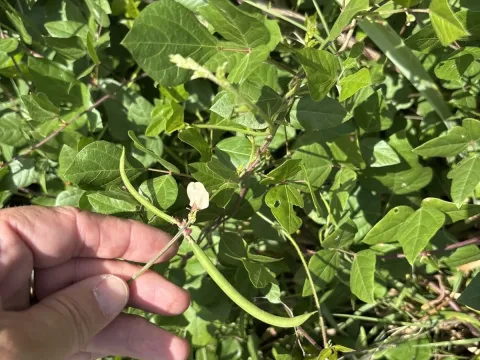
Strophostyles
Strophostyles
Sowing Strophostyles requires warm soil temperatures, typically above 15 degrees Celsius. Planting should be timed to avoid any risk of late spring frosts, which can severely damage tender young seedlings and reduce plant vigor.
What the section contains


Strophostyles
Seed depth is critical for successful emergence, usually ranging from 2 to 4 centimeters. In lighter, sandy soils, planting slightly deeper helps protect the seeds from desiccation and promotes more reliable germination.
Row spacing depends on the ultimate goal of the crop, whether it is intended for biomass production or seed harvest. Maintaining adequate spacing ensures sufficient light penetration and airflow, which are vital for plant health.
Using high-quality, treated seed is recommended to ensure strong initial growth. Proper calibration of seeding equipment is necessary to achieve uniform plant density across the field, which minimizes competition for nutrients.
Post-sowing management includes keeping the field free from competitive weeds during the early vegetative stage. Once the plants begin their vining growth, they often form a dense canopy that naturally suppresses many common weeds.
Strophostyles is a genus of leguminous plants belonging to the family Fabaceae. Native to North America, these plants are known for their trailing or climbing growth habit and their ability to thrive in diverse ecological niches.
The crop performs best in well-drained soils, ranging from sandy to loamy textures. It is highly valued for its ability to fix atmospheric nitrogen through symbiosis with root bacteria, which significantly improves soil fertility for subsequent crops.
While the plant is quite drought-tolerant, it requires moderate soil moisture for optimal biomass accumulation. Excessive waterlogging, however, can be detrimental to the roots, leading to physiological stress and reduced growth rates.
Full sun exposure is preferred for maximum productivity. In shaded environments, the plants tend to become elongated and less robust, resulting in lower total yield and delayed development of reproductive structures.
Strophostyles exhibits adaptability to various climates, though it prefers regions with long, warm growing seasons. It is effectively used in sustainable farming systems to protect the soil surface from erosion and replenish nitrogen levels naturally.
Fungal diseases, particularly powdery mildew, represent the most common threat to Strophostyles cultivation. These diseases thrive in high-humidity conditions and can lead to significant foliage damage if left unmanaged.
Pests such as aphids and various beetles can occasionally cause localized outbreaks. Regular scouting of fields allows farmers to identify early signs of infestation and implement targeted interventions to protect the crop.
Root rot caused by soil-borne pathogens is a concern in fields with poor drainage. Implementing a rigorous crop rotation plan helps break the life cycle of these pathogens and maintains the overall health of the soil ecosystem.
Viral infections may be transmitted by insects that feed on the plants. Control of host weeds in and around the fields is an important component of an integrated pest management strategy to limit the spread of these vectors.
To maintain a healthy crop, it is essential to monitor for nutrient deficiencies that might predispose the plants to infections. Balanced fertilization and adequate irrigation management are key to keeping the plants resilient against common threats.