
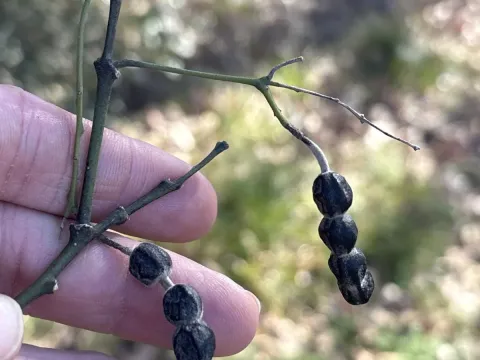
Styphnolobium
Styphnolobium
Styphnolobium, commonly known as the Japanese pagoda tree, belongs to the Fabaceae family. This deciduous tree is widely recognized for its ornamental value and its significant role as a medicinal crop in various global regions.
What the section contains

Styphnolobium
The plant thrives in full sun and requires deep, well-draining soil to achieve optimal growth. It is highly valued for its ability to withstand urban pollution and heat, making it a versatile choice for agroforestry projects.
Styphnolobium performs best in neutral to slightly alkaline soil conditions. While it is known for its moderate drought tolerance once established, consistent soil moisture is crucial during the initial developmental years.
The geographic range of cultivation covers temperate regions where winters are not excessively severe. Exposure to extreme cold can cause dieback in young specimens, requiring protection in colder climatic zones.
Economically, the tree is cultivated primarily for its flower buds and mature pods. These parts are rich in rutin, a valuable flavonoid used extensively in the pharmaceutical industry to support cardiovascular health.
Propagation is primarily achieved through seeds or vegetative cuttings. Seeds possess a hard seed coat and require scarification or soaking in warm water for 24 hours to break dormancy and ensure uniform germination.
Sowing should take place in spring once soil temperatures have consistently reached 15 degrees Celsius. Seeds are sown in nursery beds with rows spaced 40 to 50 centimeters apart to allow for proper weeding and aeration.
Vegetative propagation via semi-hardwood cuttings is standard for preserving the genetic traits of specific high-yield varieties. Cuttings are typically treated with rooting hormones and maintained in a humid environment.
Maintenance during the nursery phase involves balanced NPK fertilization to encourage root and foliage development. Young trees should be transplanted to permanent locations during their dormancy period, either late autumn or early spring.
Correct pruning techniques are essential for canopy development. Shaping the tree early reduces the risk of structural damage from heavy winds and ensures easier access for harvesting the flower buds.
The main pests attacking Styphnolobium are aphids and spider mites, which feed on the sap of young shoots. Infestations are particularly prevalent during hot, dry spells and can significantly reduce the tree's vigor.
Fungal leaf spot diseases are common in humid environments with poor air circulation. Implementing thinning cuts in the canopy helps improve airflow and reduces the incidence of fungal pathogens on the leaves.
Root rot, often caused by waterlogging, represents a severe threat to the tree's health. Ensuring that planting sites have adequate drainage is the most effective preventative measure against such issues.
Minor stem borers can occasionally damage the trunks. Regular monitoring and the prompt removal of infested limbs are recommended to prevent the spread of these insects throughout the plantation.
Integrated pest management strategies are suggested, prioritizing biological controls and environmental management over harsh chemical applications to ensure the quality of the harvested medicinal material.