
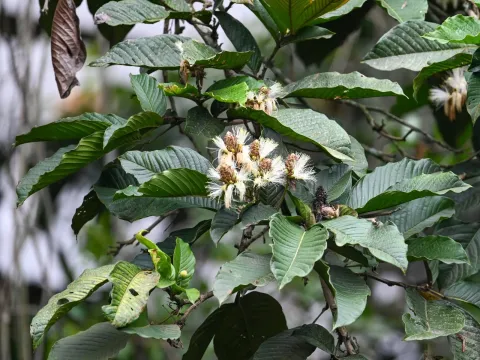
Inga spectabilis
Inga spectabilis
Inga spectabilis is a member of the Fabaceae family and is propagated primarily through seeds. Since the seeds are recalcitrant, they have a short viability period and should be planted immediately after extraction from the pod to ensure successful germination.
What the section contains
Inga spectabilis
The optimal time for sowing is at the beginning of the rainy season, which provides the necessary soil moisture for the seeds to sprout effectively. Seeds are typically sown in nursery containers with a nutrient-rich potting mix at a depth of 2 to 3 cm.
Germination usually takes between two to four weeks depending on the temperature and humidity levels maintained in the nursery. Seedlings require careful attention, specifically shade protection during their early stages of growth to prevent desiccation.
Transplanting to the permanent location in agroforestry systems or orchards is conducted once the saplings reach 40-60 cm in height. Providing ample water after planting is crucial for the establishment of a strong root system.
In large-scale systems, direct seeding in prepared furrows may be practiced, provided that the soil moisture can be consistently managed to support the growth of the young plants.
As a tropical species, Inga spectabilis thrives in warm and humid climates. The ideal temperature range for its development is between 20 and 30 degrees Celsius; the plant is strictly sensitive to frost and cold winds.
The tree prefers fertile, well-draining soils with high organic matter content, but it is known for its ability to adapt to acidic soil conditions. Proper drainage is essential to prevent root rot caused by stagnant water.
Consistent rainfall or reliable irrigation is vital for the tree, especially during the flowering and fruit development stages. Prolonged dry spells can significantly decrease yield and affect the quality of the edible pulp.
Inga spectabilis has a symbiotic relationship with nitrogen-fixing bacteria, allowing it to thrive in poor soils by enriching them with nitrogen. This biological feature makes it a valuable component in sustainable agriculture and soil improvement programs.
Optimal spacing is required to accommodate the wide canopy of mature trees. Proper positioning on the site ensures that all branches receive adequate light, which is fundamental for high-quality pod production.
The yield of Inga spectabilis depends heavily on the tree's maturity, light availability, and overall care. Generally, the tree begins to produce fruit within 3 to 4 years of being transplanted to its permanent site.
The fruit consists of long, large pods that contain a sweet, white pulp. A healthy, mature tree can produce several dozens of kilograms of pods per season when maintained under favorable conditions.
Regular pruning is necessary to maintain productivity, as it encourages the growth of new branches where flowers and subsequent pods develop. Removing old or diseased branches helps in maintaining the health and vigor of the tree.
Yield quality is determined by climatic conditions during the development phase. Sufficient moisture and protection from major pests ensure the pods reach their full size and optimal sugar concentration in the pulp.
Beyond fruit production, Inga spectabilis is highly valued for its fast growth and biomass production, providing mulch and shade in agroforestry systems, which increases the total economic value per hectare.
The main threats to Inga spectabilis plantations include various insect species that target the leaves and young shoots. Leaf-eating insects can cause significant defoliation, which hampers the tree's photosynthetic capability.
Fungal diseases are common in high-humidity environments, especially if the canopy is too dense to allow proper air circulation. These diseases can affect roots, stems, and leaves, potentially leading to tree decline.
Integrated pest management is recommended, utilizing biological controls to keep harmful populations in check. Chemical interventions should be used sparingly and only when necessary to prevent broader ecological damage.
Bark-boring insects present a specific risk, as they create wounds that allow secondary pathogens to enter the wood. Regular monitoring of the trunk and branches is essential for early detection of such issues.
Good agricultural practices, such as maintaining appropriate density and promptly removing damaged plant material, are the most effective strategies for preventing the spread of diseases within the orchard.
Harvesting Inga spectabilis is a manual process, as the pods are susceptible to damage if handled by machinery. The fruits should be picked only when they have reached full maturity to ensure the best flavor and texture.
Due to the high moisture content of the pulp, the fruits have a short shelf life. They should be handled with care during transport and processed or consumed shortly after harvesting to prevent spoilage.
For commercial distribution, the pulp is often extracted from the pods and packaged immediately. It can also be frozen, which successfully preserves its taste and nutritional value for extended periods of time.
Harvesting should ideally be done during dry weather to prevent the surface of the pods from absorbing excess moisture, which can accelerate fungal growth post-harvest.
After harvesting, the empty pod shells can be returned to the soil around the tree as a natural fertilizer, contributing to the nutrient cycling process and improving the overall health of the orchard floor.