
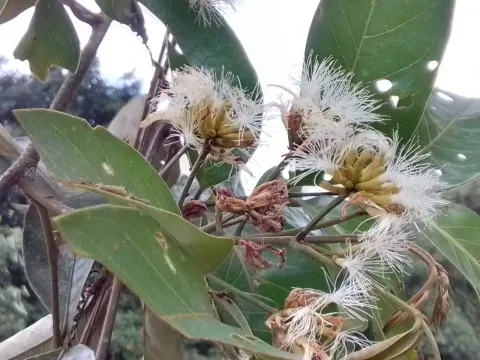
Inga punctata
Inga punctata
Inga punctata is a leguminous tree species belonging to the Fabaceae family, naturally occurring in the tropical rainforests of Central and South America. It is recognized for its adaptability to various tropical environmental conditions and its significant ecological role.
What the section contains
Inga punctata
The tree thrives in tropical climates characterized by high temperatures and consistent rainfall. It requires protection from frost, as it is highly sensitive to cold, and grows best in regions where temperatures remain between 20 and 30 degrees Celsius throughout the year.
Regarding soil requirements, Inga punctata prefers well-drained, fertile soils but shows resilience across different soil types, including those with higher acidity levels. It is crucial to avoid areas prone to prolonged waterlogging to ensure the health of its root system.
The botanical characteristics of this species include compound, pinnate leaves with visible, gland-like dots that give the tree its specific epithet. The canopy is wide and spreading, providing substantial shade which is essential for certain shade-loving tropical crops.
Proper establishment of the crop involves ensuring adequate spacing between trees. In cultivation, it is often planted in mixed stands, where it serves as a foundational species that stabilizes the soil and improves the microclimate for surrounding plants.
The primary agricultural utility of Inga punctata lies in its status as a premier shade tree for coffee and cacao plantations. By providing dappled light, it helps regulate the growth and fruit quality of these delicate, high-value economic crops.
The tree produces long, pod-like fruits containing seeds embedded in a sweet, pulpy aril. While this pulp is locally consumed and appreciated as a natural snack, it does not currently serve as a major global commercial crop, remaining a niche regional product.
Inga punctata is highly valued for its wood, which is utilized for fuel production due to the tree's rapid biomass accumulation. Sustainable management practices, such as periodic pollarding or pruning, allow for a continuous harvest of branches for firewood.
As a nitrogen-fixing legume, the tree acts as a natural fertilizer. The regular pruning of its foliage creates a significant amount of organic mulch, which decomposes and supplies essential nitrogen to the soil, boosting the productivity of the entire farm system.
By integrating this tree into farm designs, growers can achieve long-term soil fertility improvements. This reduction in the need for synthetic chemical fertilizers makes Inga punctata a cornerstone of sustainable, eco-friendly agricultural practices in tropical zones.
Inga punctata can be susceptible to various fungal infections, particularly in high-humidity environments where poor air circulation promotes the growth of pathogens. Powdery mildew is one of the more common issues affecting the foliage of the tree.
Insect pests, such as lepidopteran larvae, may feed on the leaves, potentially causing damage during periods of rapid vegetative growth. Integrated pest management strategies, focusing on biological controls and habitat management, are recommended to maintain tree vigor.
Stem boring insects can pose a challenge, as they penetrate the bark and internal structure of the tree. Keeping the trees healthy through appropriate site selection and maintaining proper plant density are key strategies to prevent and manage these infestations.
Root rot diseases occur primarily in sites with poor soil structure and water drainage issues. Ensuring the planting site provides adequate aeration for the roots is the most effective preventative measure against these debilitating conditions.
To minimize disease outbreaks, it is essential to follow good agricultural practices, including cleaning tools after pruning to prevent the spread of pathogens. Monitoring the plantation for early signs of stress is crucial for maintaining the longevity of the stand.