
Intsia
Intsia
Intsia is a genus of tropical trees belonging to the Fabaceae family, encompassing several species native to the Indo-Pacific region. These trees are highly valued in forestry for their robust biological structure and high-quality heartwood.
What the section contains


Intsia
The plant thrives in humid tropical climates where annual temperatures remain consistently high. It requires well-drained soil and often inhabits coastal environments, showing a remarkable tolerance for various soil types and occasional salinity.
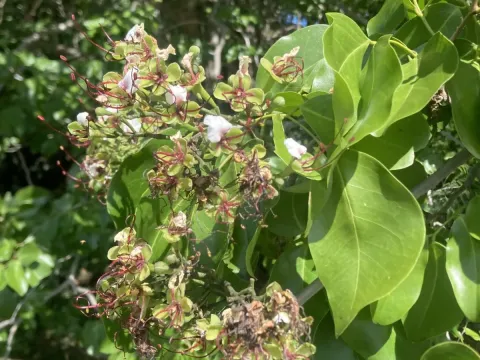
Botanically, Intsia trees are characterized by their evergreen habit, pinnate leaves, and distinct inflorescences. They grow into massive canopy trees, often serving as a key structural component of tropical forest ecosystems.
Cultivation practices for this species require a long-term strategy due to the slow growth rate of the tree. Effective management involves protecting young stands from competition and ensuring optimal light conditions for seedlings to develop strong trunks.
The economic value of Intsia lies primarily in its timber, marketed as Merbau. This wood is highly prized for its exceptional hardness, color stability, and resistance to natural decay, making it a top-tier material for luxury furniture and heavy-duty construction.
While mature trees are generally resilient, the species is susceptible to various fungal pathogens that can affect root development in waterlogged soils. Additionally, wood-boring beetles pose a significant threat to timber quality if not managed correctly in harvesting areas.