
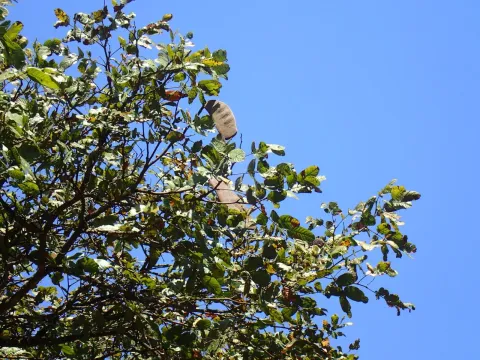
Isoberlinia
Isoberlinia
Isoberlinia is a genus of trees belonging to the Fabaceae family, which plays a dominant role in the Miombo woodlands of Africa. These trees are essential for the maintenance of regional biodiversity and the health of the tropical savanna ecosystems.
What the section contains


Isoberlinia
The culture thrives in tropical environments characterized by a distinct seasonal cycle. Isoberlinia species are notably tolerant of nutrient-poor, rocky, or acidic soils, which allows them to colonize areas where agricultural potential is otherwise limited.
Botanically, these trees are deciduous and display a complex canopy structure. Their reproductive biology involves blooming during specific seasonal transitions, producing seeds in woody pods, typical of the legume family.
From an economic standpoint, Isoberlinia provides a valuable source of hardwood used in construction and for the production of charcoal. Furthermore, it is highly regarded by local communities for its role in apiculture due to its nectar-producing flowers.
Integrating this genus into modern agroforestry practices can significantly mitigate soil erosion and improve water retention. The species possesses a deep root system that facilitates nutrient cycling, making it a critical asset for landscape restoration projects.
The primary threats to Isoberlinia populations include extensive deforestation and frequent, often uncontrolled, seasonal fires that damage the integrity of the forest stands.
Fungal infections, particularly root and stem rots, are common in areas where the tree has been physically damaged, leading to structural decline and reduced timber quality.
Insects, such as wood-boring beetles and various defoliators, represent significant pests that can weaken younger trees, making them susceptible to secondary infections and environmental stress.
Parasitic flora, such as mistletoe, often infests older trees, competing for essential resources and contributing to the gradual canopy dieback of affected specimens.
Effective management requires a proactive approach, including the monitoring of pest outbreaks and the implementation of firebreaks to protect forest tracts from destruction.