
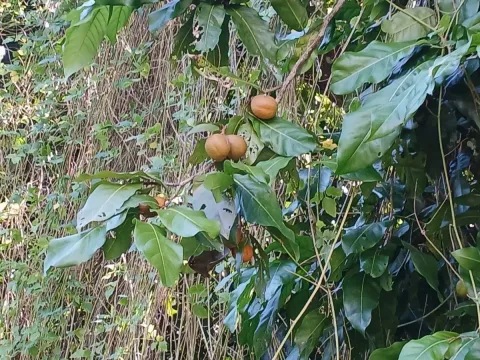
Inocarpus
Inocarpus
Inocarpus (Inocarpus fagifer), commonly known as the Polynesian chestnut, is a tree species belonging to the Fabaceae family. It is a large, evergreen tree native to the tropical regions of the Pacific islands and Southeast Asia.
What the section contains

Inocarpus
The plant thrives in humid tropical environments where rainfall is abundant throughout the year. It requires consistently warm temperatures and is highly sensitive to frost, making its cultivation restricted to frost-free tropical or subtropical zones.
Regarding soil requirements, Inocarpus prefers deep, fertile, and well-draining soils. It is frequently found growing naturally in alluvial plains and near riverbanks, where moisture availability is high, yet soil drainage remains sufficient to prevent root rot.
Cultivation practices primarily involve planting seeds soon after harvest, as they have short viability. While not typically grown in intensive monocultures, it is a key component of agroforestry systems, providing both food and shade for smaller crops.
The primary economic value lies in the seeds, which are consumed after roasting or boiling, providing a substantial source of carbohydrates. Beyond nutrition, the wood is utilized locally for construction and tools, highlighting the tree's multifaceted role in traditional agricultural economies.
Inocarpus is susceptible to various tropical pests, including beetles and leaf-chewing larvae that can cause significant damage to young foliage. Integrated pest management strategies, focusing on biological controls, are recommended for maintaining tree health.
Fungal infections, often exacerbated by high humidity and poor site drainage, represent the most common disease threats. Proper pruning to improve air circulation and careful site selection are essential preventive measures to ensure the longevity of the trees.