
Inga paterno
Inga paterno
Inga paterno is a fast-growing, evergreen tree belonging to the Fabaceae family. It is native to the tropical regions of Central and South America, where it thrives in humid environments.
What the section contains
Inga paterno
The tree prefers deep, well-drained soils rich in organic matter. Its biological capacity for nitrogen fixation allows it to grow in varied conditions, contributing significantly to soil enrichment.
In terms of climate, it requires high annual rainfall and constant warm temperatures. It is well-adapted to tropical conditions and is sensitive to frost or prolonged dry spells.
Young trees require wind protection to prevent branch breakage. As they mature, they form a dense canopy that provides essential shade for shade-grown crops like coffee and cocoa.
Due to its rapid growth rate, it is frequently employed in reforestation projects and as a living fence or windbreak in agricultural landscapes.
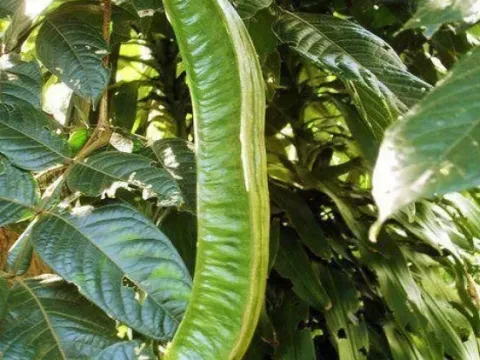
The fruit consists of long, pod-like capsules containing a sweet, cottony pulp surrounding the seeds. The pulp is edible and highly appreciated in local markets.
Beyond fruit production, the species is valued for its massive biomass output. Pruning the branches provides nutrient-rich mulch that protects the soil and inhibits weed growth.
Trees typically begin to bear fruit within 3 to 5 years. Productivity is enhanced through proper spacing and regular management of the canopy to ensure adequate light exposure.
The seeds can be roasted or boiled for consumption, providing a source of protein and carbohydrates in regions where the tree is cultivated.
Sustainable harvesting of the leaves and pods contributes to the overall cycle of nutrients, maintaining the long-term fertility of the agricultural system.
While generally resilient, Inga paterno can be susceptible to fungal diseases during seasons of excessive humidity and poor air circulation within the canopy.
Pest attacks, particularly by leaf-eating insects, are common. However, these rarely cause long-term damage unless the tree is already stressed by poor environmental conditions.
Root rot, caused by waterlogged soil, represents a significant threat to tree health. Proper site selection and drainage management are critical for avoiding this issue.
The presence of hemiparasitic plants, such as mistletoe, can gradually reduce the tree's vigor and should be removed manually when detected.
Maintaining a balanced ecosystem around the plantation encourages natural predators of common pests, minimizing the need for chemical intervention.